
It’s iPhone 17 review week, and word on the street is the base model is the one to buy this year. Pitting platforms against each other, Apple has a pretty distinct advantage over the Pixel 10 from the jump, with the iPhone 17 arriving with 256GB in its base $800 configuration, while Google delivers just 128GB for the same price. It’s easy enough to see this as a miscalculation on Google’s part — one it can rectify with next year’s Pixel 11 — but the Pixel 10’s status as a device “designed for AI” really feels at odds with this single decision.
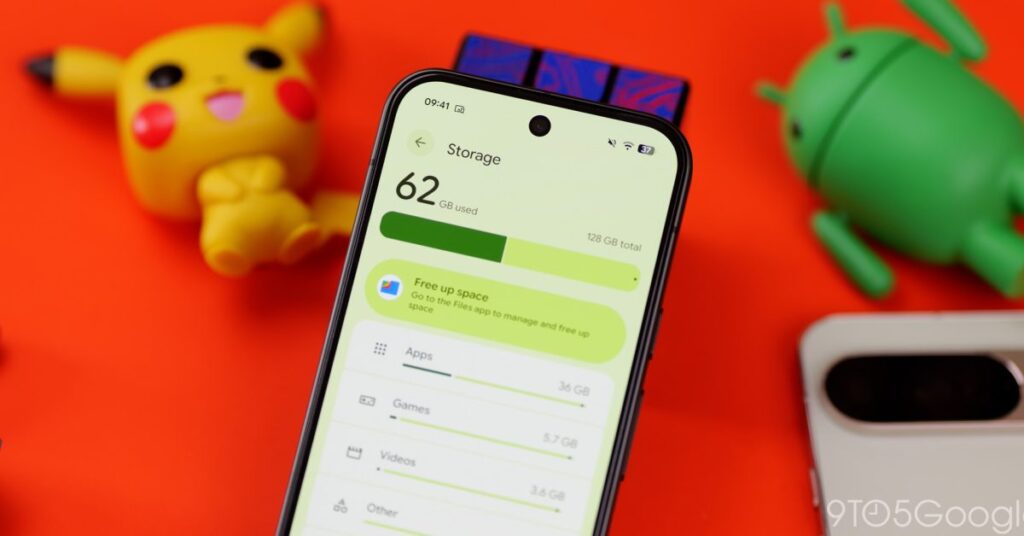
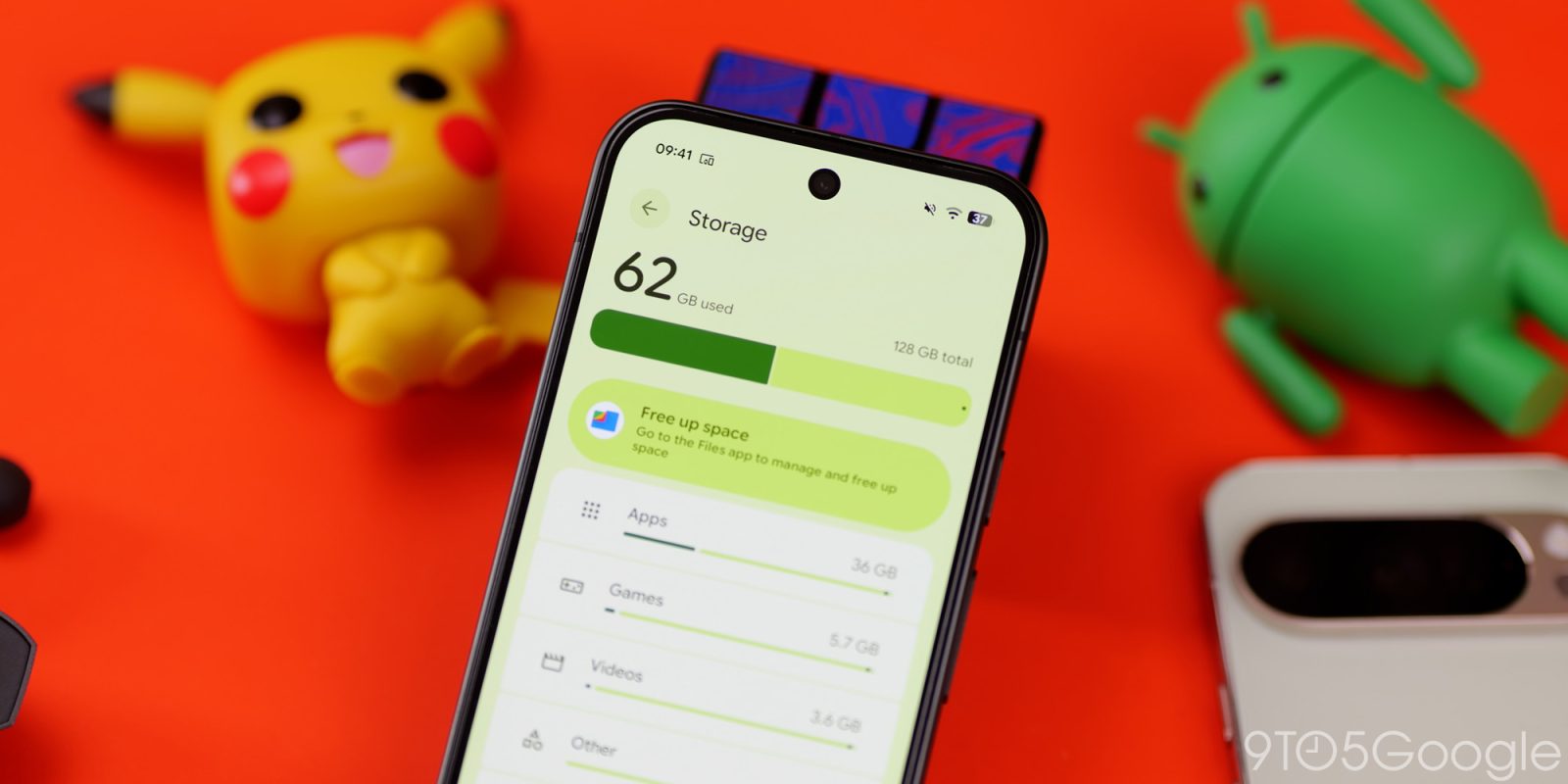
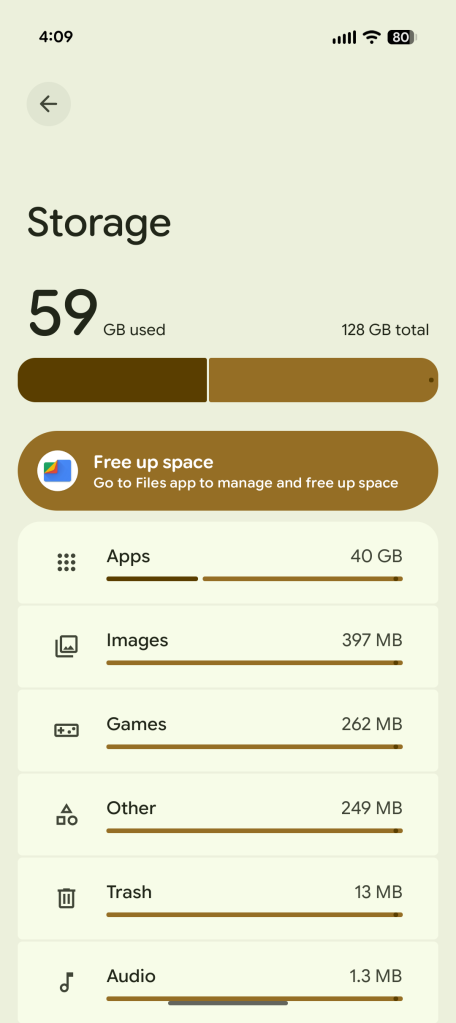
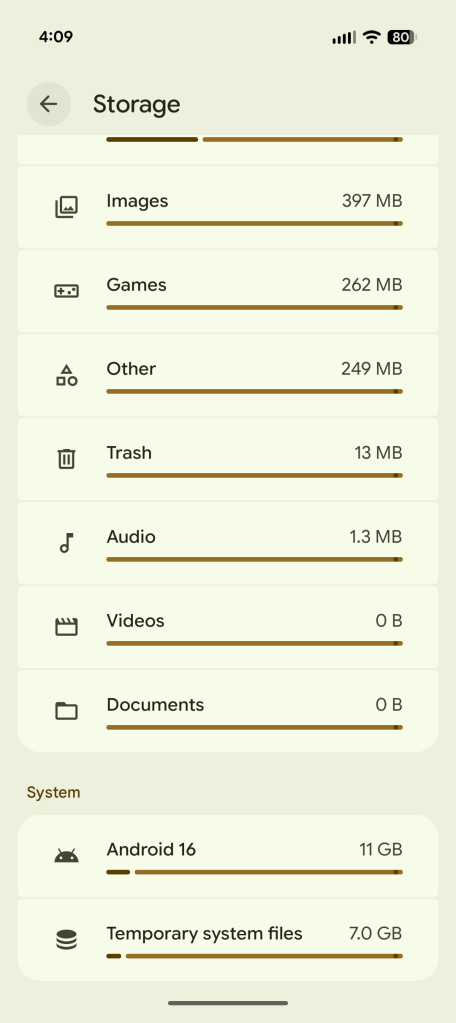
The base Pixel 10 ships with 128GB of UFS 3.1 storage (as does the base Pixel 10 Pro) — not the faster UFS 4.0 storage found in the 256GB models. Around 11GB of that is taken up by Android, while another chunk (7GB, in my case) is reserved for cache and other temporary system files. That leaves users with around 110GB of usable storage, the bulk of which is taken up by apps and their associated data.
Except, not really. What’s taking up the most space on my Pixel 10 isn’t some big mobile game, nor is it a massive collection of photos and videos or my entire streaming music library. At the moment, it’s AICore, the local LLM component necessary to power all of those AI-based tools that amount to the vast majority of Google’s advertised exclusive features. It weighs in at nearly 7GB of space, and while that might not sound massive on paper, it’s more than 6% of this Pixel’s total usable storage and, presumably, will only grow as necessary to power even more AI tools.
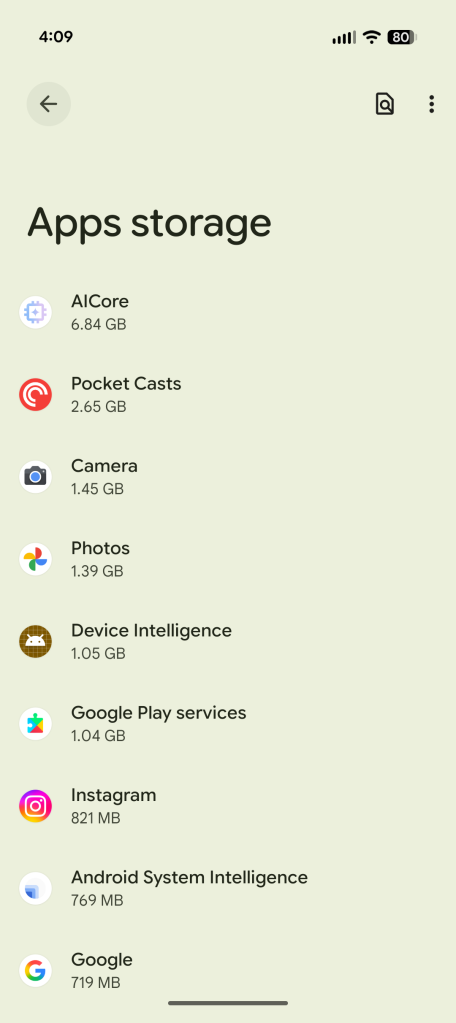
The good news, of course, is that you can remove AICore from your phone, effectively opting out of most of the recent Pixel-exclusive features that make Google’s smartphone lineup stand out from the crowd in the first place. That gets you your 7GB of data back — again, not a particularly small amount of storage space — but, as you’d expect, it comes at the cost of sacrificed features.
I’m really of two minds here. I actually think that, at the moment, most users are better off uninstalling AICore and taking back their storage space, effectively saying goodbye to tools like Magic Cue, Pixel Screenshots, and a whole bunch of other abilities. Frankly, most of these are neither reliable enough or fully baked enough for me to recommend anyone sacrifice a serious chunk of on-board storage that could contain several movies at 1080p, or dozens of hours of podcasts.
But users shouldn’t have to make that choice. I may not find a lot of utility in something like Google’s AI-generated weather reports, but if you do, you’re going to need to sacrifice 7GB worth of space to use it. There’s no piecemealing here; if you like Magic Cue but don’t care about Pixel Studio, disabling the latter doesn’t actually give you any storage back. You are either all-in or all-out on…
Source link
Disclaimer
We strive to uphold the highest ethical standards in all of our reporting and coverage. We blogs.grocliq.com want to be transparent with our readers about any potential conflicts of interest that may arise in our work. It’s possible that some of the investors we feature may have connections to other businesses, including competitors or companies we write about. However, we want to assure our readers that this will not have any impact on the integrity or impartiality of our reporting. We are committed to delivering accurate, unbiased news and information to our audience, and we will continue to uphold our ethics and principles in all of our work. Thank you for your trust and support.
Website Upgradation is going on for any glitch kindly connect at [email protected]