

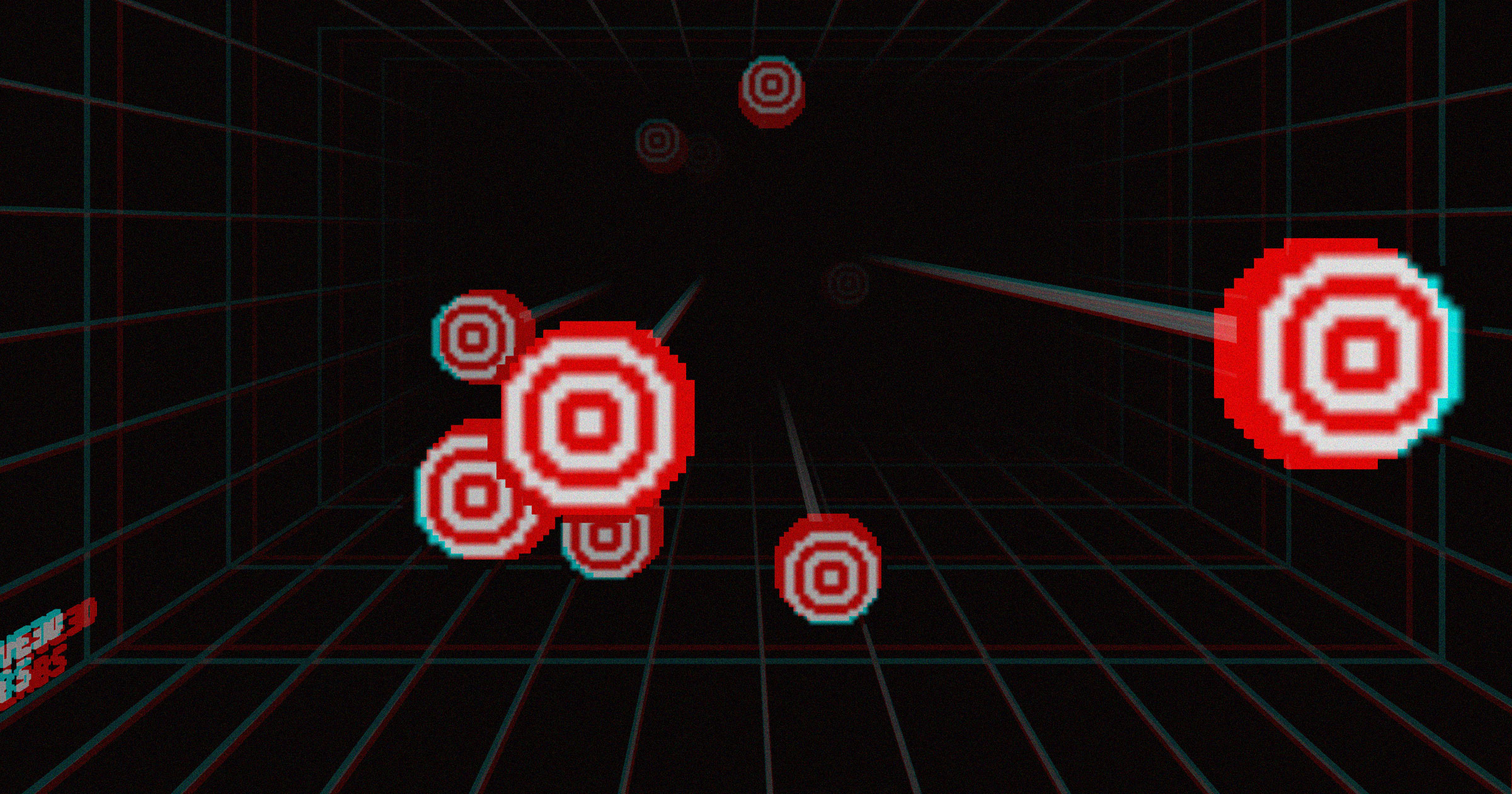
3D screens have really struggled to take off.
Neither bulky 3D televisions that require cheap-looking glasses nor VR headsets have ever caught on in the mainstream. Movies projected in 3D have plummeted in popularity after hitting their peak in the early 2010s.
But that doesn’t mean there are other clever ways to trick your brain into thinking you’re looking through a three-dimensional window instead of a flat screen.
In a fun proof of concept, True3D Labs founder and former Meta engineer Daniel Habib explored a “simpler way to watch 3D.”
By detecting your eye position via your webcam, Habib’s “head-tracked ‘Window Mode’” allows you to view a scene in what feels like 3D — without having to wear glasses at all. Don’t believe us? You can try out the effect inside your browser right here.
“Most 3D media collapses into a regular video once it lands on a phone or laptop,” Habib wrote in an accompanying blog post. “Interfaces often ask people to click and drag, but in practice, most viewers are not looking to steer the camera. They want to be carried by the story.”
3D “can shine in venue scale installations like the Sphere in Las Vegas, yet on personal devices it rarely fits the lean back habit of watching,” he argued.
To sell the illusion, Habib had to ensure that latency, or the delay between your head movement and the corresponding view on screen, was as low as possible.
“If that delay is too long, the scene lags and looks wobbly,” he wrote. “Filtering out jitter and rejecting outliers keeps edges steady instead of swimming.”
Best of all, the system doesn’t store any facial recognition data and keeps any processing on the device.
The concept of using head tracking data for a 3D effect has been around for quite some time.
Habib says he was directly inspired by Carnegie Mellon University researcher Johnny Lee, who used the infrared camera built into the remote of a Nintendo Wii gaming console, along with a head-mounted sensor bar, to transform a “display into a portal to a virtual environment,” as seen in a 2007 YouTube video.
And as our smartphones become data processing powerhouses with front-facing cameras, it’s not difficult to imagine viewing 3D content — or even interacting with 3D environments — on handheld devices in the future.
More on 3D: Not a “3D Body”: New Paper Finds Something Very Weird About the Shroud of Turin
Disclaimer
We strive to uphold the highest ethical standards in all of our reporting and coverage. We blogs.grocliq.com want to be transparent with our readers about any potential conflicts of interest that may arise in our work. It’s possible that some of the investors we feature may have connections to other businesses, including competitors or companies we write about. However, we want to assure our readers that this will not have any impact on the integrity or impartiality of our reporting. We are committed to delivering accurate, unbiased news and information to our audience, and we will continue to uphold our ethics and principles in all of our work. Thank you for your trust and support.
Website Upgradation is going on for any glitch kindly connect at [email protected]