
Last month, AI company Anthropic agreed to a blockbuster $1.5 billion settlement after being caught red-handed training its models on an enormous cache of pirated versions of copyrighted books and other material.
Now, a similar lawsuit aimed at ChatGPT maker OpenAI has taken a dramatic turn, raising the possibility of yet another major legal escalation regarding AI-facilitated copyright infringement — and a potentially much bigger payout to rightsholders.
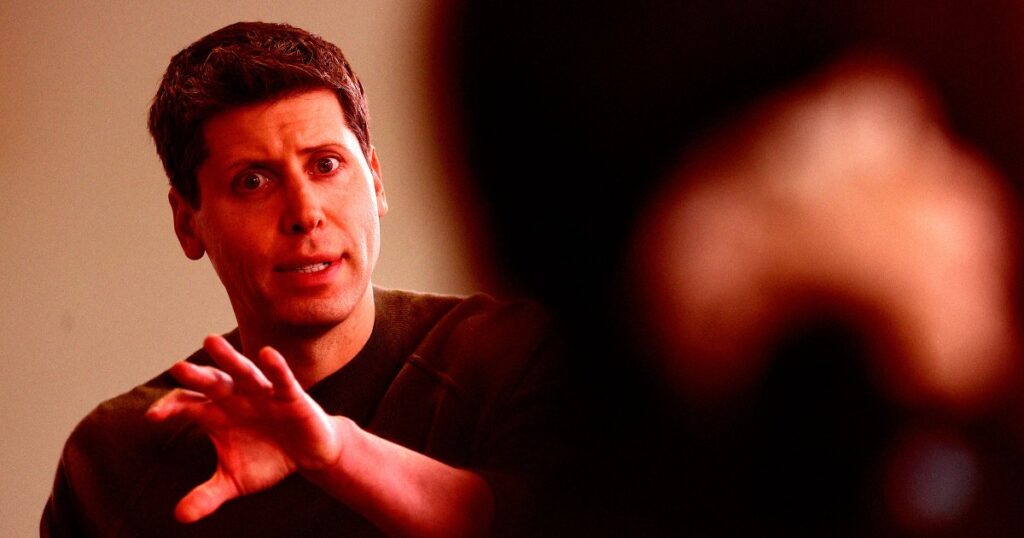
Specifically, authors and publishers who filed a lawsuit against the Sam Altman-led firm have secured access to internal Slack messages and emails discussing the mass deletion of a pirated books dataset, Bloomberg reports. A New York district court ordered OpenAI to hand over the communications regarding data deletion last week.
According to the publication, the communications could demonstrate willful infringement, potentially leading to enhanced damages of up to $150,000 per work, a massive increase from just $750.
For context: Anthropic’s settlement only covered around half a million works out of an estimated seven million, resulting in a payout of around $3,000 per author. Authors and publishers had just gone after similar communications — right before the case settled.
“Finding out what attorneys said or what clients said to attorneys and back and forth probably gives us a lot of evidence regarding state of mind,” Hamline University professor David Schultz told Bloomberg.
The lawsuit highlights the AI industry’s largely careless treatment of copyrighted materials. Tech leaders have continued to argue that training AI models on protected content falls under “fair use,” a legal doctrine that allows for transformative use of copyrighted materials.
Most recently, OpenAI’s TikTok-like text-to-video app Sora 2 has been found to spit out a litany of videos heavily based on protected intellectual property, showing it’s not just ChatGPT potentially infringing copyright. (Sloppily-implemented guardrails have since stemmed the tide somewhat, but users are easily finding ways around them.)
Given the major payouts at stake, the tides could be turning in favor of artists who had their lifework sucked up by AI models without permission, who could be looking at another consolation prize in the form of a settlement fee.
Both Anthropic and OpenAI have been accused of training their AI models on copyrighted materials uploaded to a piracy website called LibGen.
Communications show that OpenAI deleted the dataset, a move that plaintiffs argue could be construed as intentional destruction of evidence. Judge Ona Wang has already found that OpenAI improperly withheld materials, per Bloomberg.
While it remains to be seen how the internal communications will influence the case, experts argue that it could allow plaintiffs to build a stronger case.
“There may be a smoking gun, we don’t…
Source link
Disclaimer
We strive to uphold the highest ethical standards in all of our reporting and coverage. We blogs.grocliq.com want to be transparent with our readers about any potential conflicts of interest that may arise in our work. It’s possible that some of the investors we feature may have connections to other businesses, including competitors or companies we write about. However, we want to assure our readers that this will not have any impact on the integrity or impartiality of our reporting. We are committed to delivering accurate, unbiased news and information to our audience, and we will continue to uphold our ethics and principles in all of our work. Thank you for your trust and support.
Website Upgradation is going on for any glitch kindly connect at [email protected]