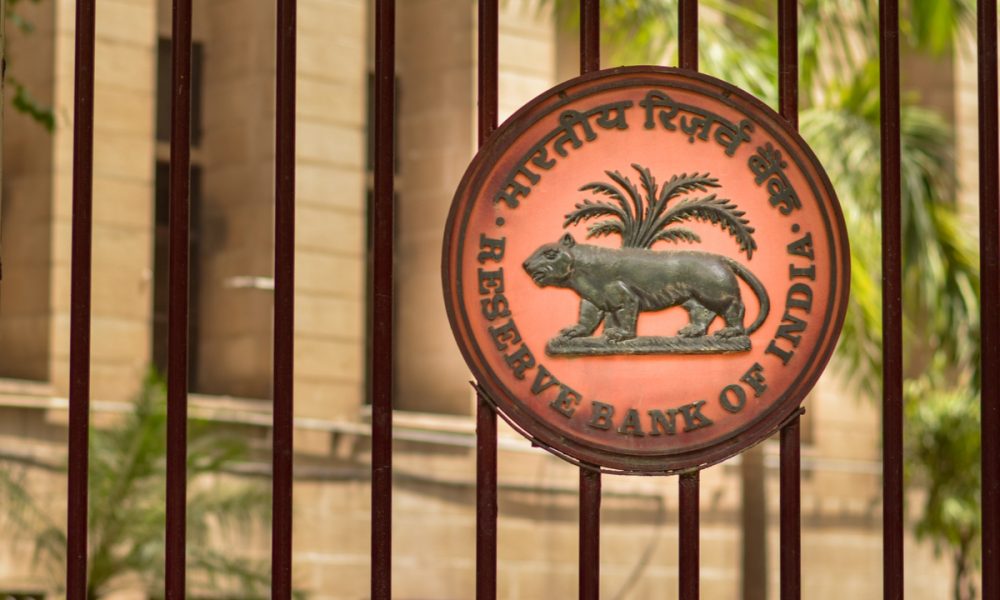

The Reserve Bank of India’s (RBI) FREE-AI Committee has outlined several recommendations for responsible AI integration in the financial sector. These include the creation of an AI sandbox, development of indigenous sector-specific models, cybersecurity measures, and consumer protection, among others.
The suggestions aim to develop a Framework for Responsible and Ethical Enablement of Artificial Intelligence (FREE-AI) in the financial sector, as stipulated during the Committee’s establishment in December 2024.
This followed the RBI cognising that risks such as data privacy and algorithmic bias accompanied the potential of AI to automate complex processes. Accordingly, the Committee comprised members who have worked for industry bodies like NASSCOM, educational institutions like IIT Bombay and IIT Madras, companies like Microsoft, and financial bodies like HDFC Bank.
The Committee adopted a four-pronged approach—stakeholder engagement, surveys & interactions, review of global developments, and analysis of extant regulatory guidelines to develop their findings.
State of AI adoption in financial services
AI has been integrated into several business functions in the financial sector, like risk management, fraud detection, and customer service. Institutions can utilise AI for credit scoring, handling chatbot queries, forecasting early warning signals, and improving efficiency overall.
Several India-specific use cases for AI include:
- Financial Inclusion: AI can help assess creditworthiness using non-traditional data sources like utility payments, GST filings, e-commerce behaviour, etc. Additionally, voice-enabled banking in regional languages allows individuals with limited literacy to access finance.
- Digital Public Infrastructure (DPI): Based on the recommendations of the G20 Task Force on DPIs, next-gen DPI services like conversational AI embedded within UPI, improved KYC with AI, and Aadhaar as well as personalised service through the Account Aggregator (AA) framework can improve financial services.
- Financial Sector Specific Models: Considering general-purpose language models (LLMs) are predominantly trained on Western-centric datasets, they won’t be able to handle the multilingual diversity of India’s financial ecosystem. Consequently, models should be made capable of operating in all the languages spoken in India and accurately represent diversity to avoid urban-centric biases.
- Autonomous AI systems: Emerging protocols like Model Context Protocol (MCP) and Agent-to-Agent (A2A) communication frameworks can facilitate interoperable ecosystems. This also enables a shift from task automation to decision automation and could have wide-ranging implications across India’s financial landscape.
What do stakeholder surveys reveal?
RBI’s Department of Supervision (DoS) and the FinTech Department (FTD) conducted two surveys of 612 supervised entities and 76 entities between January and May…
Source link
Disclaimer
We strive to uphold the highest ethical standards in all of our reporting and coverage. We blogs.grocliq.com want to be transparent with our readers about any potential conflicts of interest that may arise in our work. It’s possible that some of the investors we feature may have connections to other businesses, including competitors or companies we write about. However, we want to assure our readers that this will not have any impact on the integrity or impartiality of our reporting. We are committed to delivering accurate, unbiased news and information to our audience, and we will continue to uphold our ethics and principles in all of our work. Thank you for your trust and support.
Website Upgradation is going on for any glitch kindly connect at [email protected]