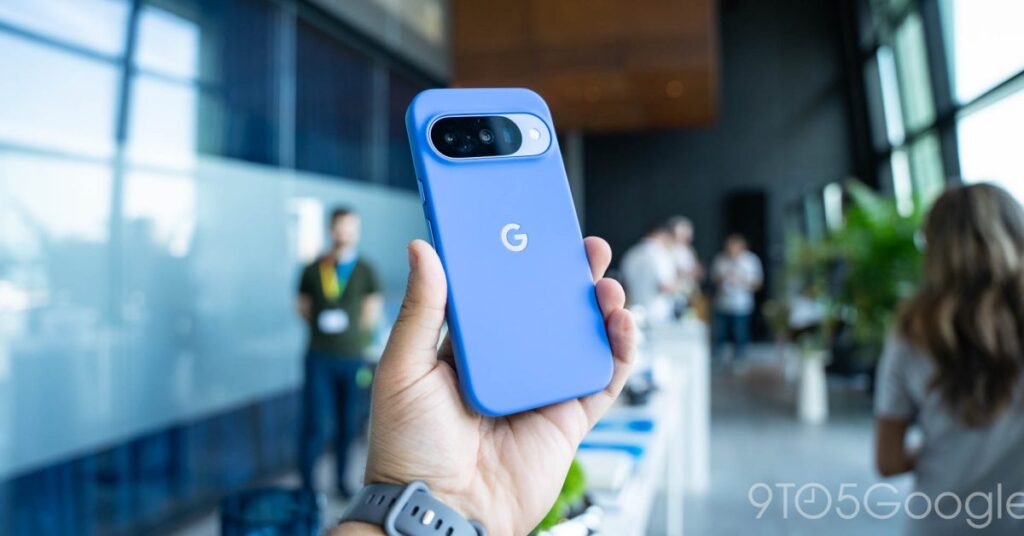

The new Qi2 standard is starting to pop up everywhere, and with it comes the expectation of faster wireless charging. If you choose the wrong Qi2 case for the Pixel 10, the reality might be something short of what was promised, all becuase of case construction. Here’s what to look for.
The Qi2 version 2.2.1 standard launched in July 2025. Companies have since been scrambling to develop products compatible with it in order to deliver 25W fast wireless charging. Most manufacturers aren’t there yet, but even to achieve 15W charging over a wireless connection, there are severe limitations.
The Qi2 2.1 specification outline, which comes directly from the Wireless Power Consortium, lays out every detail that engineers need to follow to achieve an optimal charge. That’s the difference between full 15W or 25W charging and subpar power and thermal performance.
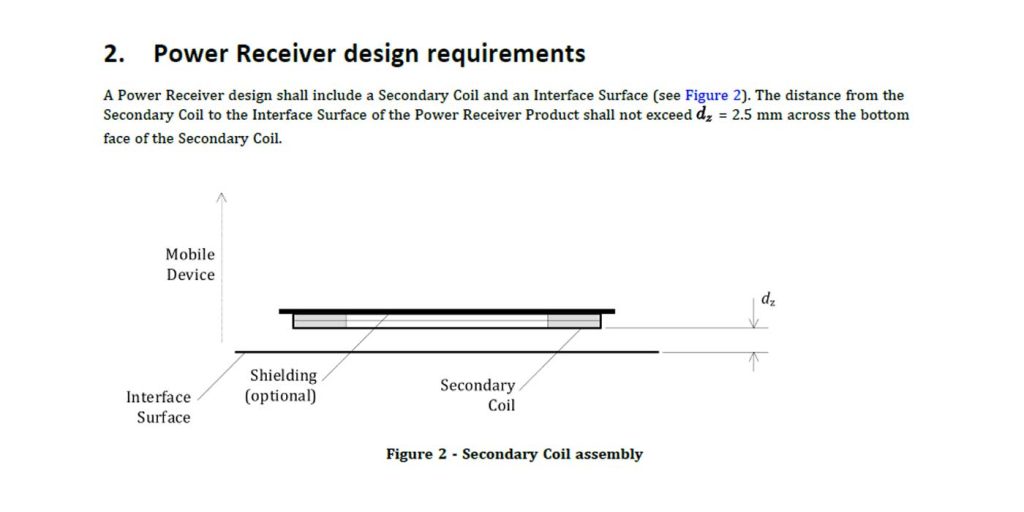
One major aspect that comes into play is how far the interface surface of the phone is from the secondary coil that sits inside the phone; in this case, the Pixel 10.
To achieve optimal performance, the Pixel 10’s Qi2 coil must sit at most 2.5mm from the surface of the device. That includes materials like Gorilla Glass Victus 2 and other materials that might sit in front of the Pixel’s receiving coil. It also doesn’t take into account version 2.2’s requirements, which is what the Pixel 10 Pro XL qualifies for to reach 25W wireless charging. That version might have even tighter restrictions, but the details aren’t currently public.
Between the Pixel 10’s coil and the charger’s coil, the WPC notes that an optimal distance is not larger than 5mm. That’s 5mm, taking into account the construction of the charger and of the phone, and whatever material sits between the two coils, including the case itself.
In essence, any Pixel 10 case that’s truly labeled as “Qi2 compatible” needs to be thin enough to abide by these requirements and close enough to the charger to get a powerful connection. It can’t be too thick, or the distance between coils would exceed 5mm, and that would fall outside of the optimal range.
It appears the WPC requires a 2mm max thickness for magnetic cover components, like cases. This would assume that the case has an additional magnet array, which is what makes a case MagSafe or Pixelsnap compatible.
The image below, taken from the WPC, outlines where the surface of a phone would sit in relation to the surface of a charger. In between that could be a case, but no thicker than 2mm, with the inclusion of its own magnetic array.
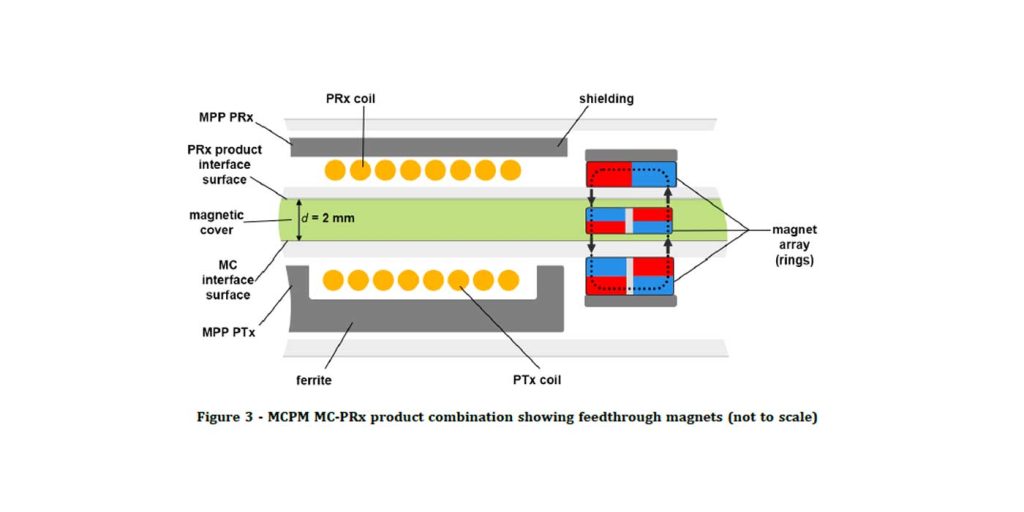
A case with thicker walls would require the charger to lower its power output to meet what the consortium labels its “meaningful functionality.” Otherwise, the phone and charger would overheat. That’s how a thicker case can cause the Pixel 10 to charge at a lower rate than 15W.
Mous, for instance,
Source link
Disclaimer
We strive to uphold the highest ethical standards in all of our reporting and coverage. We blogs.grocliq.com want to be transparent with our readers about any potential conflicts of interest that may arise in our work. It’s possible that some of the investors we feature may have connections to other businesses, including competitors or companies we write about. However, we want to assure our readers that this will not have any impact on the integrity or impartiality of our reporting. We are committed to delivering accurate, unbiased news and information to our audience, and we will continue to uphold our ethics and principles in all of our work. Thank you for your trust and support.
Website Upgradation is going on for any glitch kindly connect at [email protected]