
MediaNama’s Take: The long-running discourse around e-pharmacies signals the medical sector’s concerns around the impact of unregulated medicine sales on people’s health and well-being. The Drugs, Medical Devices and Cosmetics Bill, 2023, which was tabled in the Lok Sabha, represented a clear opportunity to address these longstanding concerns. According to reports, the bill would have given the government explicit powers to regulate e-pharmacies. However, it never ended up getting passed, leaving the regulatory landscape as fragmented as before.
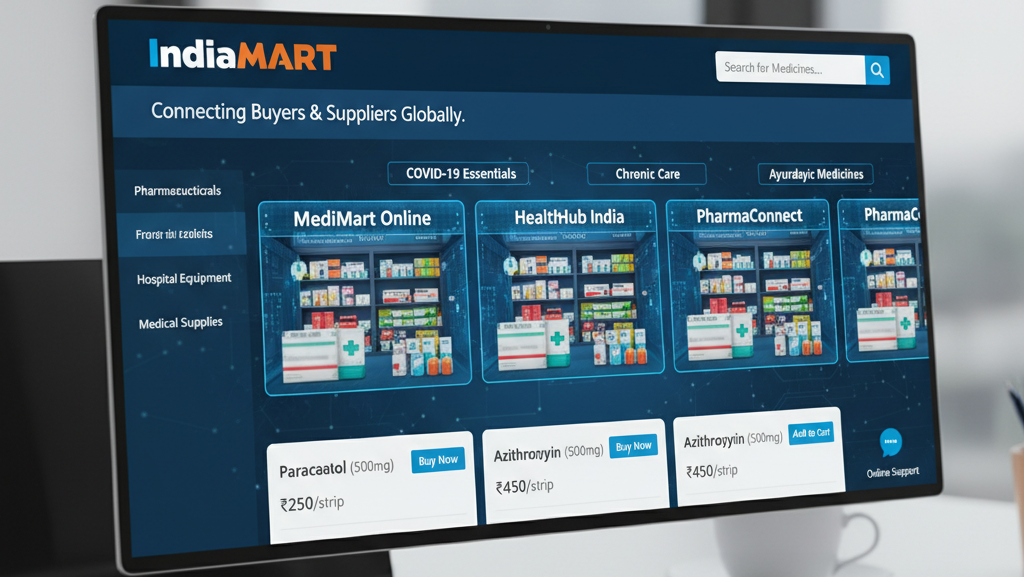
While the government settles its position on e-pharmacies. It is important to note that IndiaMART will potentially not fall within the scope of these services. Going by the Delhi High Court’s observations in a previous case, IndiaMART is akin to a yellow pages directory and is only responsible for ensuring that the seller details are accurate. If drug sales online do end up regulated, the company could potentially have to ensure that the seller is licensed. However, for now, the company’s business-to-business (B2B) service nature makes it unclear whether the existing Drugs and Cosmetics Act applies to it.
What’s the news:
The Delhi High Court has restricted the Central Drug Standards Control Organisation (CSDO) from giving effect to its order of criminal prosecution against IndiaMART, as per a Bar and Bench report. This comes as part of an ongoing case between the two in the Delhi High Court over the alleged sale of illegal drugs on IndiaMART. The authority had sent multiple rounds of notices to IndiaMART between June 2024 and July 2025 about these drug sales.
IndiaMART, however, argues that CSDO’s notices lack legal authority. The company explained that Sections 18 and 27 of the Drugs and Cosmetics Act, 1940, do not apply to its services. Section 18 includes a prohibition on the manufacturing and sale of certain drugs and cosmetics, including misbranded, adulterated or spurious drugs. Section 27 includes penalties for those who sell, stock, or offer for sale adulterated or spurious drugs.
The company’s lawyers explained that it is only a marketplace and not a seller. As such, it falls under the category of an intermediary under the Information Technology Act, 2000, and hence it has safe harbour protections under Section 79 of the act. This section guarantees intermediaries (like online platforms) immunity from liability for the content that a third party posts on their service. Part (3)(b) of Section 79 states that platforms can lose this liability if they fail to remove unlawful content after the Government or its agencies notify them about the said content. As per an order from July 22, the Delhi High Court instructed CSDO to take the legal and factual contentions IndiaMART was raising into account.
Rules around the sale of drugs on the internet:
India does not have any specific rules or policies regulating the sale of drugs over digital platforms. This…
Source link
Disclaimer
We strive to uphold the highest ethical standards in all of our reporting and coverage. We blogs.grocliq.com want to be transparent with our readers about any potential conflicts of interest that may arise in our work. It’s possible that some of the investors we feature may have connections to other businesses, including competitors or companies we write about. However, we want to assure our readers that this will not have any impact on the integrity or impartiality of our reporting. We are committed to delivering accurate, unbiased news and information to our audience, and we will continue to uphold our ethics and principles in all of our work. Thank you for your trust and support.
Website Upgradation is going on for any glitch kindly connect at [email protected]