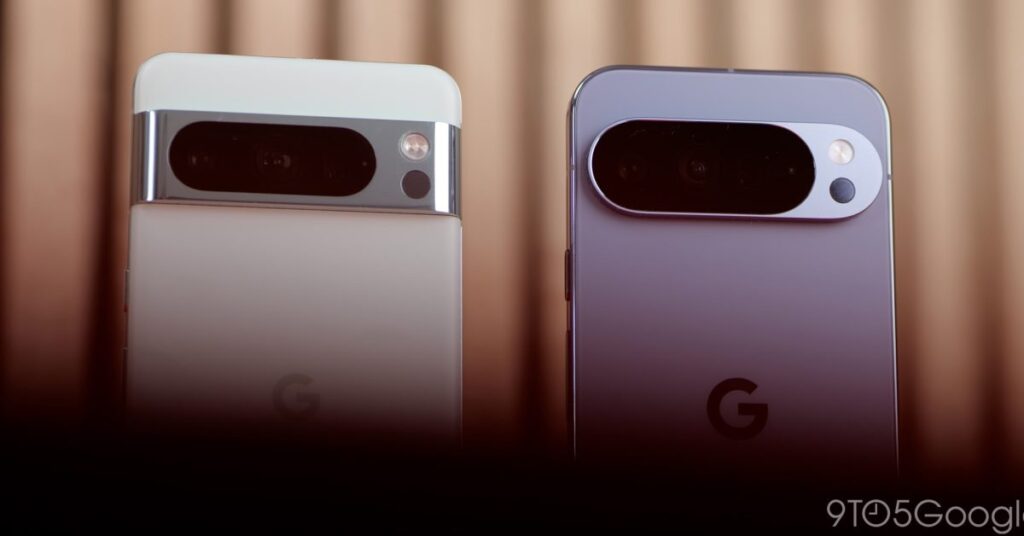

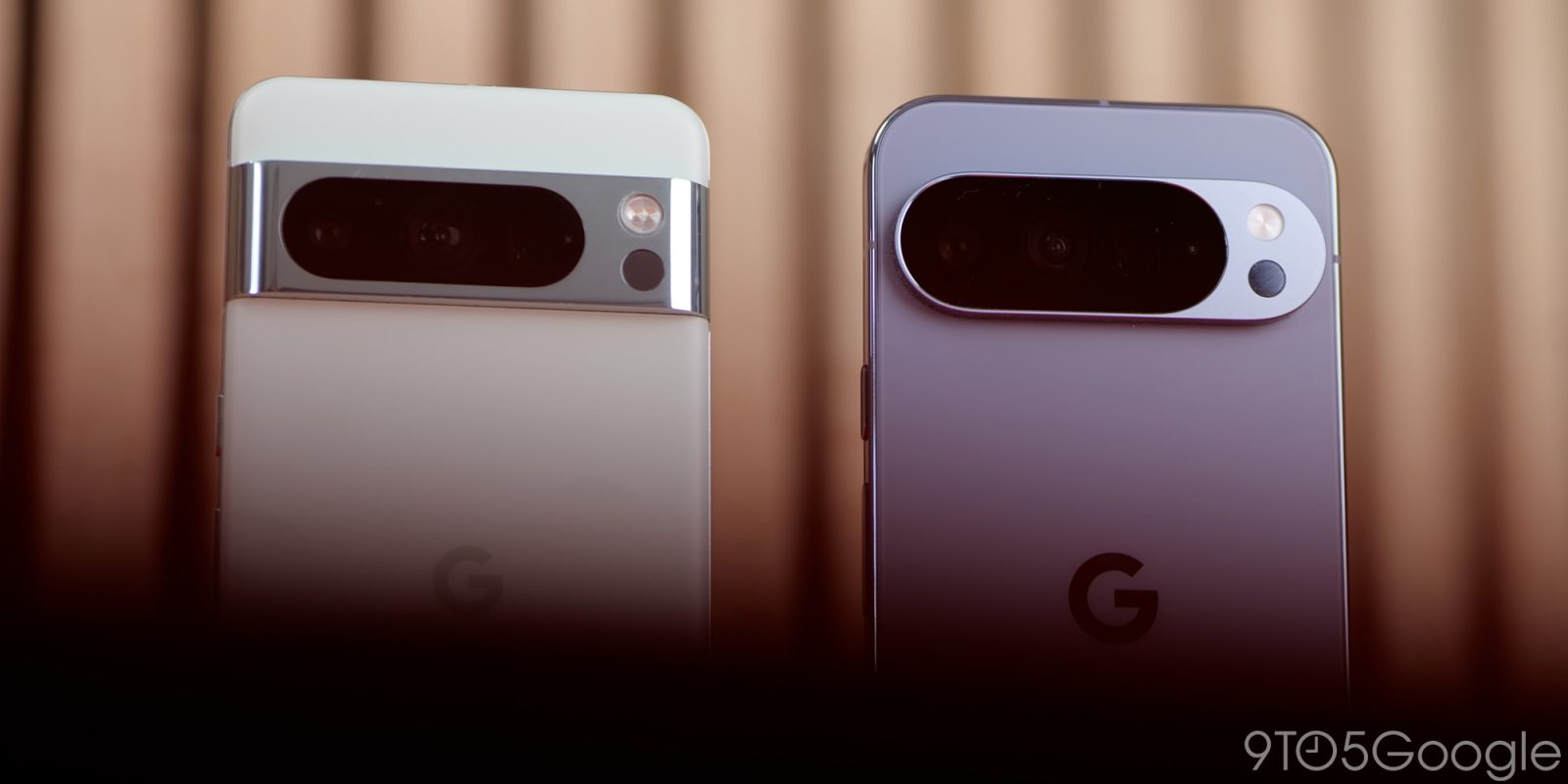
In case you haven’t noticed, there’s a new design trend spreading throughout the entire smartphone industry. No, it’s not titanium — not anymore, at least — and premium flagships are still mostly arriving on store shelves in their usual drab colors. No, it’s the camera bar, a fresh method of styling the prerequisite lens bump you’ll find on every flagship smartphone, and in this case, it’s Google that can claim the credit for influencing its rivals.
The camera bar concept doesn’t necessarily begin with the Pixel 6 series, but that’s certainly the device that popularized it. While you can absolutely look back on phones like the Nexus 6P as precursors to Google’s modern design language, I think it’s undeniable that Google set out on its own path with its first Tensor-powered phone. And over the last five generations, Google has largely stuck to the groundwork it initially set back in 2021. Sure, the camera bar gained a lens flare-resistant cover on the Pixel 7, separated from the rest of the frame on the Pixel 9, and fully receded into the chassis on the Pixel 9a, but largely speaking, Google’s devices are some of the most easily recognizable out in the wild thanks to this design trend.
Of course, it’s not just form over function. Google’s camera bar has helped keep its Pixels from the scourge of desk-wobble enveloping the rest of the industry. Excluding the Pixel 9 Pro Fold and its direct successor, every camera bar-equipped Pixel has been capable of resting on a table without rocking back and forth uncontrollable every time it’s poked or prodded. That might sound like a low bar to clear, but Samsung, Apple, and plenty of other manufacturers haven’t seemed to care much.
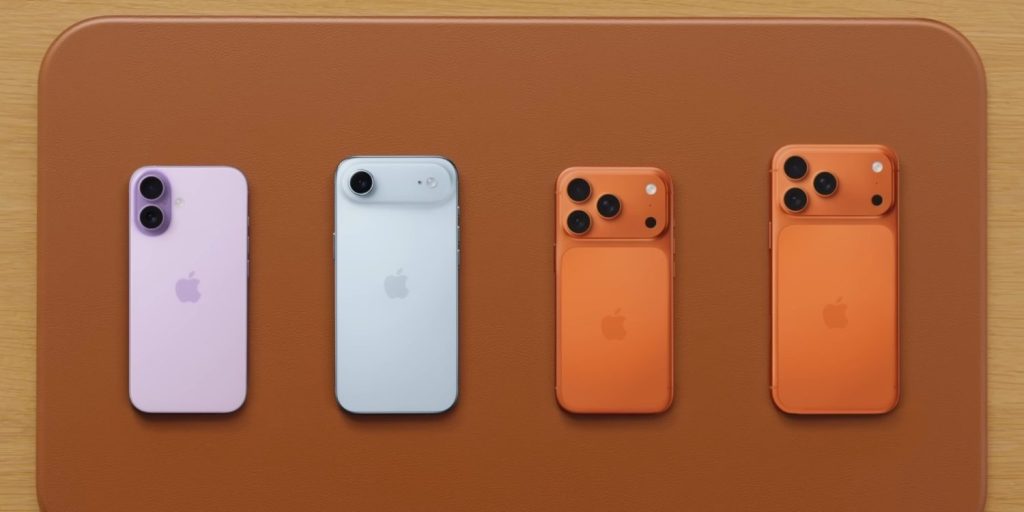
Or, at least, they didn’t. The smartphone tides are turning once again, and it looks like the next hottest design trend is, well, camera bars. This week, Apple announced its latest series of iPhones, and while the base model looks nearly indistinguishable from its predecessor, the iPhone 17 Pro and the iPhone Air take new swings at the company’s usual look and feel. The iPhone Air, in particular, seems to harken back to the Nexus 6P, what with its single camera lens and rounded, top-mounted bump, while the iPhone 17 Pro seems to combine the Pixel’s camera bar with the tri-lens layout from older Apple releases.
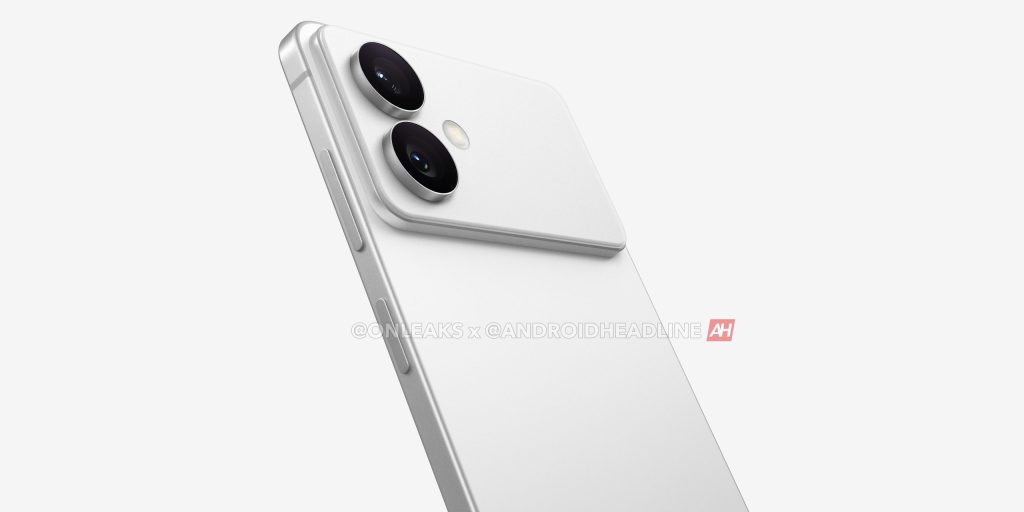
Apple’s not alone, though. The latest Galaxy S26 Edge leaks seem to point towards a redesign for Samsung’s next-gen iPhone Air rival, combining that ultra-thin design with an iPhone 17 Pro-esque camera bar. The rest of the S26 series seems to be keeping its vertical-aligned camera systems, even adopting the raised module seen on this year’s Galaxy Z Fold 7. Considering Samsung’s love of a unified design language across all of its devices, though, I wouldn’t be surprised if the Galaxy S27 series follows the Edge design as closely as possible.
Source link
Disclaimer
We strive to uphold the highest ethical standards in all of our reporting and coverage. We blogs.grocliq.com want to be transparent with our readers about any potential conflicts of interest that may arise in our work. It’s possible that some of the investors we feature may have connections to other businesses, including competitors or companies we write about. However, we want to assure our readers that this will not have any impact on the integrity or impartiality of our reporting. We are committed to delivering accurate, unbiased news and information to our audience, and we will continue to uphold our ethics and principles in all of our work. Thank you for your trust and support.
Website Upgradation is going on for any glitch kindly connect at [email protected]