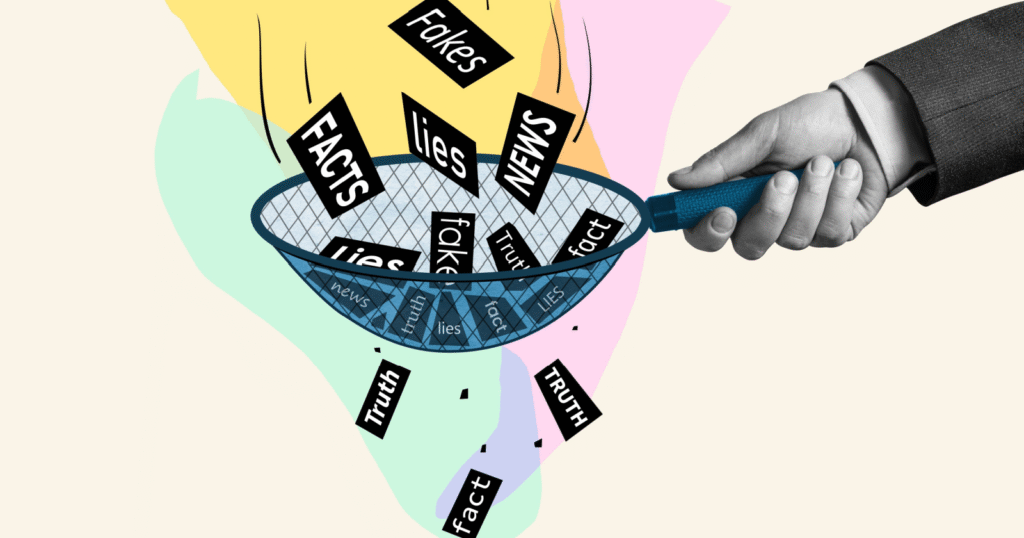

Before we dig in, some context. What follows is hypothetical. I don’t engage in black-hat tactics, I’m not a hacker, and this isn’t a guide for anyone to try. I’ve spent enough time with search, domain, and legal teams at Microsoft to know bad actors exist and to see how they operate. My goal here isn’t to teach manipulation. It’s to get you thinking about how to protect your brand as discovery shifts into AI systems. Some of these risks may already be closed off by the platforms, others may never materialize. But until they’re fully addressed, they’re worth understanding.
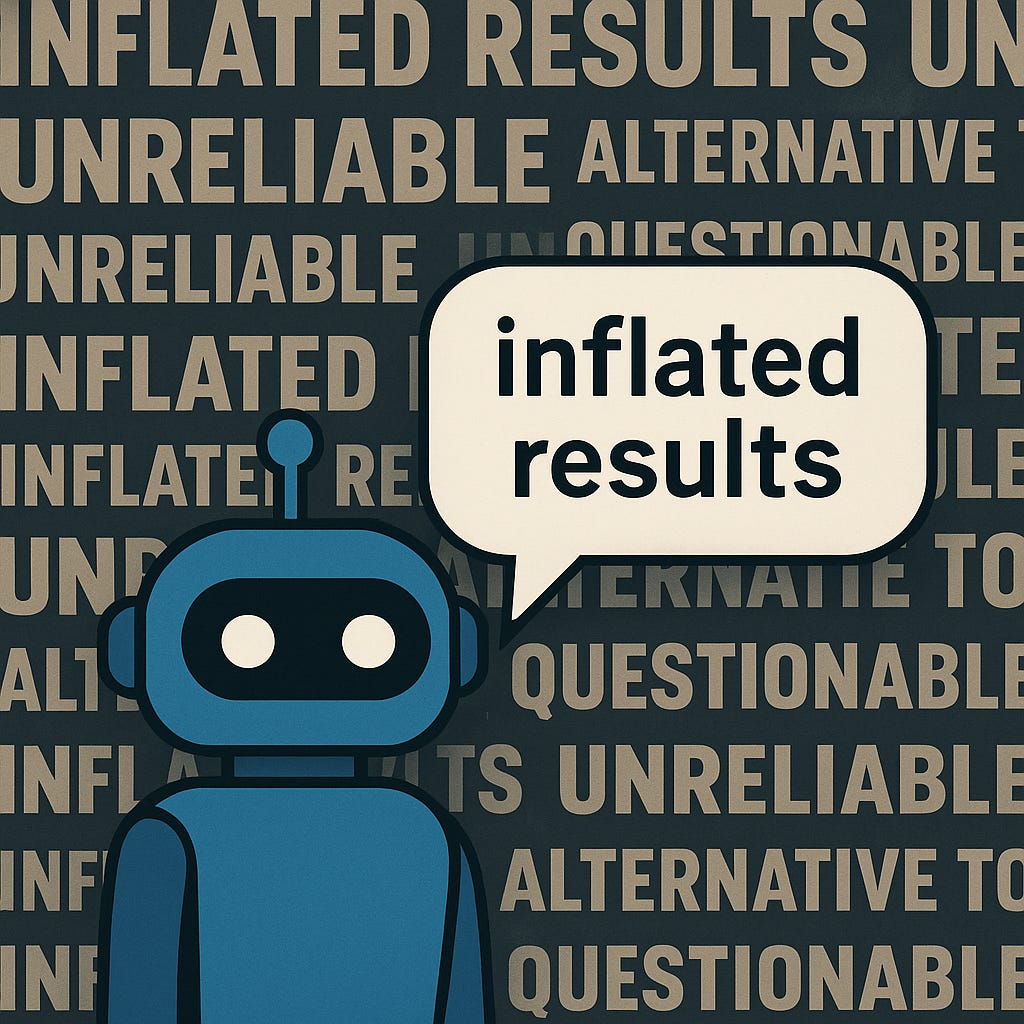 Image Credit: Duane Forrester
Two Sides Of The Same Coin
Think of your brand and the AI platforms as parts of the same system. If polluted data enters that system (biased content, false claims, or manipulated narratives), the effects cascade. On one side, your brand takes the hit: reputation, trust, and perception suffer. On the other side, the AI amplifies the pollution, misclassifying information and spreading errors at scale. Both outcomes are damaging, and neither side benefits.
Pattern Absorption Without Truth
LLMs are not truth engines; they are probability machines. They work by analyzing token sequences and predicting the most likely next token based on patterns learned during training. This means the system can repeat misinformation as confidently as it repeats verified fact.
Researchers at Stanford have noted that models “lack the ability to distinguish between ground truth and persuasive repetition” in training data, which is why falsehoods can gain traction if they appear in volume across sources (source).
The distinction from traditional search matters. Google’s ranking systems still surface a list of sources, giving the user some agency to compare and validate. LLMs compress that diversity into a single synthetic answer. This is sometimes known as “epistemic opacity.” You don’t see what sources were weighted, or whether they were credible (source).
For businesses, this means even marginal distortions like a flood of copy-paste blog posts, review farms, or coordinated narratives can seep into the statistical substrate that LLMs draw from. Once embedded, it can be nearly impossible for the model to distinguish polluted patterns from authentic ones.
Directed Bias Attack
A directed bias attack (my phrase, hardly creative, I know) exploits this weakness. Instead of targeting a system with malware, you target the data stream with repetition. It’s reputational poisoning at scale. Unlike traditional SEO attacks, which rely on gaming search rankings (and fight against very well-tuned systems now), this works because the model does not provide context or attribution with its answers.
And the legal and regulatory landscape is still forming. In defamation law (and to be clear, I’m not providing legal advice here), liability usually requires a false statement of fact, identifiable target, and reputational harm. But LLM outputs complicate…
Source link
Disclaimer
We strive to uphold the highest ethical standards in all of our reporting and coverage. We blogs.grocliq.com want to be transparent with our readers about any potential conflicts of interest that may arise in our work. It’s possible that some of the investors we feature may have connections to other businesses, including competitors or companies we write about. However, we want to assure our readers that this will not have any impact on the integrity or impartiality of our reporting. We are committed to delivering accurate, unbiased news and information to our audience, and we will continue to uphold our ethics and principles in all of our work. Thank you for your trust and support.
Website Upgradation is going on for any glitch kindly connect at [email protected]