
Doctors have developed an AI tool that could reduce wasted efforts to transplant organs by 60%.
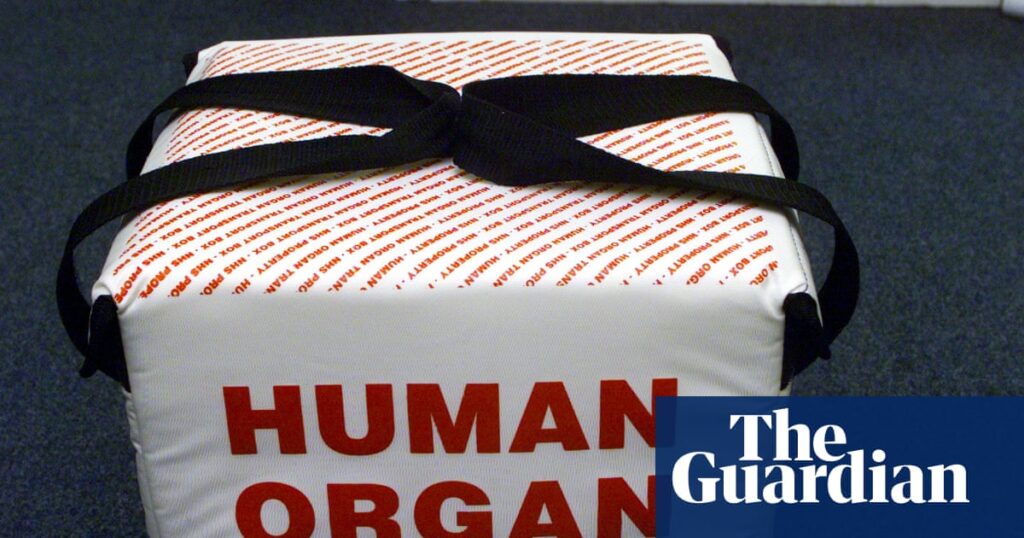
Thousands of patients worldwide are waiting for a potentially life-saving donor, and more candidates are stuck on waiting lists than there are available organs.
Recently, in cases where people need a liver transplant, access has been expanded by using donors who die after cardiac arrest. However, in about half of these donations after circulatory death (DCD) cases, the transplant ends up being cancelled.
That is because the time between the removal of life support and death must not exceed 45 minutes. If the donor does not die within the timeframe needed to preserve organ quality, surgeons often reject the liver because of the increased risk of complications to the recipient.
Now doctors, scientists and researchers at Stanford University have developed a machine learning model that predicts whether a donor is likely to die within the timeframe during which their organs are viable for transplantation.
The AI tool outperformed the judgment of top surgeons and reduced the rate of futile procurements – which occur when transplant preparations have begun but the donor dies too late – by 60%.
“By identifying when an organ is likely to be useful before any preparations for surgery have started, this model could make the transplant process more efficient,” said Dr Kazunari Sasaki, a clinical professor of abdominal transplantation and senior author on the study.
“It also has the potential to allow more candidates who need an organ transplant to receive one.”
Details of the breakthrough were published in the Lancet Digital Health journal.
The advance could reduce the number of instances in which healthcare workers prepare organs for recovery, only to determine they are unsuitable for recovery and transplantation, putting financial and operational strain on transplant centres.
Hospitals primarily rely on surgeons’ judgment to estimate this critical timeframe, which can vary widely and lead to unnecessary costs and wasted resources.
The new AI tool was trained on data from more than 2,000 donors across several US transplant centres. It uses neurological, respiratory and circulatory data to predict a potential donor’s progression to death with greater accuracy than previous models and human experts.
after newsletter promotion
The model was tested retrospectively and…
Source link
Disclaimer
We strive to uphold the highest ethical standards in all of our reporting and coverage. We blogs.grocliq.com want to be transparent with our readers about any potential conflicts of interest that may arise in our work. It’s possible that some of the investors we feature may have connections to other businesses, including competitors or companies we write about. However, we want to assure our readers that this will not have any impact on the integrity or impartiality of our reporting. We are committed to delivering accurate, unbiased news and information to our audience, and we will continue to uphold our ethics and principles in all of our work. Thank you for your trust and support.
Website Upgradation is going on for any glitch kindly connect at [email protected]