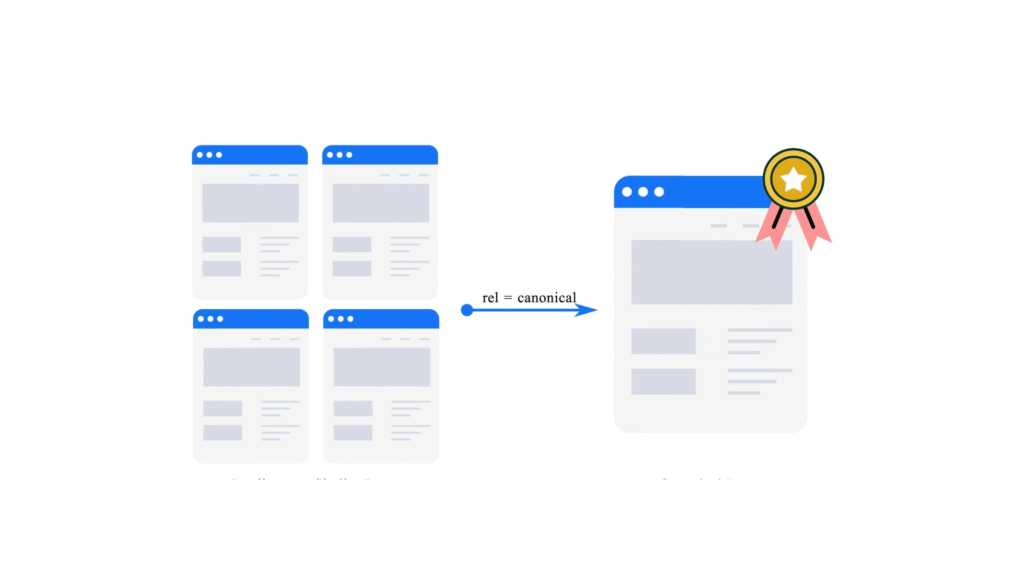

Canonicalization has long been a core SEO practice, yet it’s still one of the easiest to overlook.
At its simplest, canonicalization helps search engines identify the original source of content and prevents duplicate versions from competing with each other.
Large sites rely on solid canonical structures to stay organized, and small sites benefit by avoiding duplicates that can dilute rankings and visibility.
As we move into 2026, canonicalization is becoming even more important as generative engine optimization (GEO) rises alongside traditional SEO.
With AI Overviews, ChatGPT, Perplexity, and other generative systems shaping how content is selected, summarized, and attributed, these engines rely on clear signals that identify the “true” version of a page.
Canonicalization tells them which URLs to trust, which versions to ingest, and which pages to surface as authoritative answers.
This guide covers the essentials of canonical tags, practical implementation strategies, and advanced insights that support both SEO and GEO.
What is canonicalization?
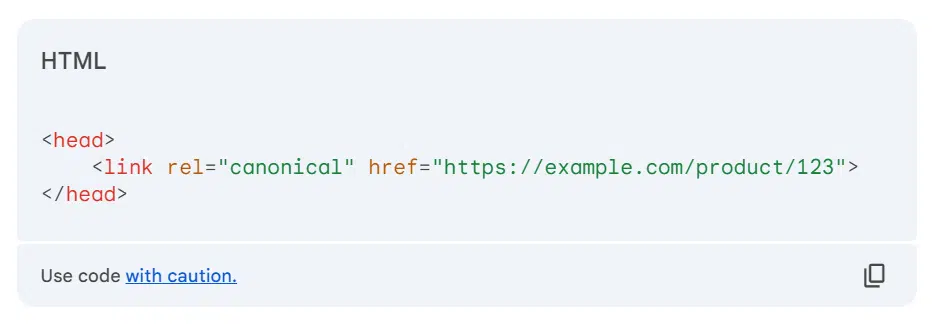
Canonicalization is a technical SEO method that lets you specify the preferred version of a webpage when multiple URLs contain similar or duplicate content. Think of it as naming the original source or master copy.
By using canonical tags, you tell search engines which URL to index and rank. This prevents confusion and keeps your site’s authority and ranking power focused on the right page.
Key terms
The following are key terms we will use throughout this article:
- Canonical tag: An HTML element that specifies the preferred URL for a webpage.
- Self-referencing canonical: A canonical tag that points to the same URL as the page it’s on.
- Origin: The original source of the content.
- Target URL: The preferred URL specified in the canonical tag.
- Duplicate content: Content that appears on more than one URL, potentially causing issues with ranking.
Why canonicalization matters for SEO and GEO
Canonicalization plays a pivotal role in boosting a website’s overall SEO performance – and now plays an equally important role in GEO. As both traditional search engines and generative engines interpret content, consolidate sources, and choose which pages to surface, a clear canonical strategy helps them consistently identify the authoritative version of a page.
Establishing a single source of truth
At its core, canonicalization tells search engines exactly which URL you want treated as the primary version.
This keeps duplicate or near-duplicate pages from competing and helps Google consolidate ranking signals where they belong.
Generative search systems need that same clarity.
These engines often ingest multiple versions of a page — parameterized URLs, paginated versions, older variants, cached copies, or syndicated content.
Without a strong canonical signal, a generative engine may store or summarize the wrong…
Source link
Disclaimer
We strive to uphold the highest ethical standards in all of our reporting and coverage. We blogs.grocliq.com want to be transparent with our readers about any potential conflicts of interest that may arise in our work. It’s possible that some of the investors we feature may have connections to other businesses, including competitors or companies we write about. However, we want to assure our readers that this will not have any impact on the integrity or impartiality of our reporting. We are committed to delivering accurate, unbiased news and information to our audience, and we will continue to uphold our ethics and principles in all of our work. Thank you for your trust and support.
Website Upgradation is going on for any glitch kindly connect at [email protected]