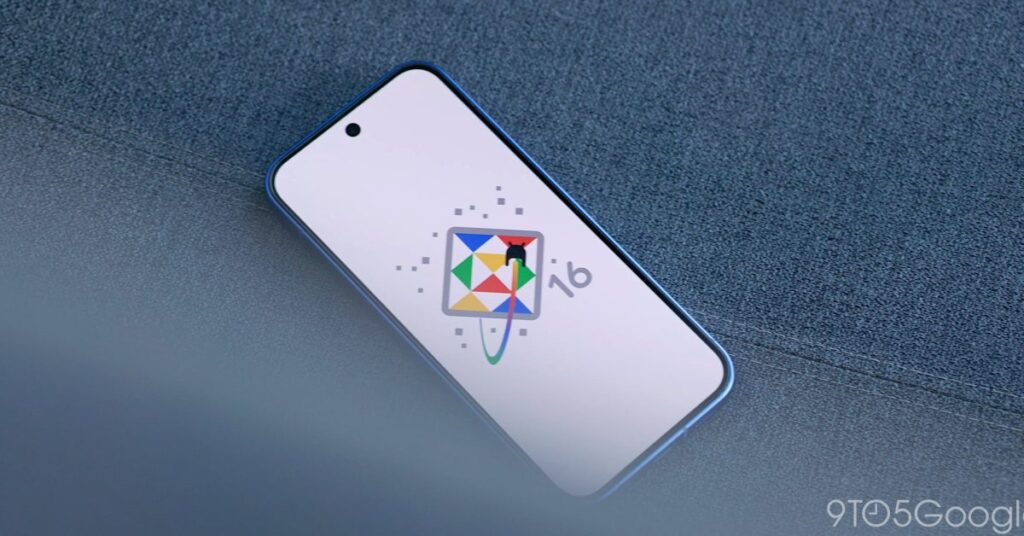


Is the curtain falling on big-ticket Android updates? Does a yearly release cycle even matter anymore, or is it just a sign of the times that there isn’t much left to really add to our smartphones?
Changing tides: A return to x.1 updates perhaps?
The December 2025 Pixel Drop marked a milestone for several reasons. It was the fourth year of “Quarterly Platform Releases,” which were formerly “Feature Drops.” Like all good things, though, this could be the end of the format as we once knew it.
Think back to the last time you had a truly massive update on your phone that affected how you used it daily. It probably was a long time ago, right?
What is clear is that in the future, larger pre-packaged releases could be split up. This will affect Pixel phones first and foremost, as we get functionality and features at an even more regular rate than ever before.
If this sounds somewhat familiar, that’s because it is. It reminds us heavily of the x.1 update days of yesteryear, repackaged once again. Apple has been doing this for years. Perhaps Google feels it’s time to do it all over again, as the Pixel gains traction globally. It’s an interesting strategy, but one that could pay dividends for owners and Google, too.
Updates to sell phones
Could this be a ploy from Google to shift even more Pixel phones? It could be a reason, but this feels like a knock-on from the merging of the Android and Pixel teams just a few years ago. The fruits of that alignment mean that there is less of a separation, and this has probably helped improve the speed of development for the most important hardware in Google’s portfolio.
There is a big incentive for lots of technology makers to try and get us to upgrade or switch, as we all are holding on to our phones longer than ever before. Not to argue for this, you might care less about software updates if you are about to buy a new phone. Conversely, you might switch regularly so you’re not bothered either.
Features often get held back or have timed exclusivity periods. Annoying as it may be, it’s just part of the cycle. To be fair to Google, often we see features get backported where possible or where there is enough interest.
Didn’t you know? The future is AI, my guy
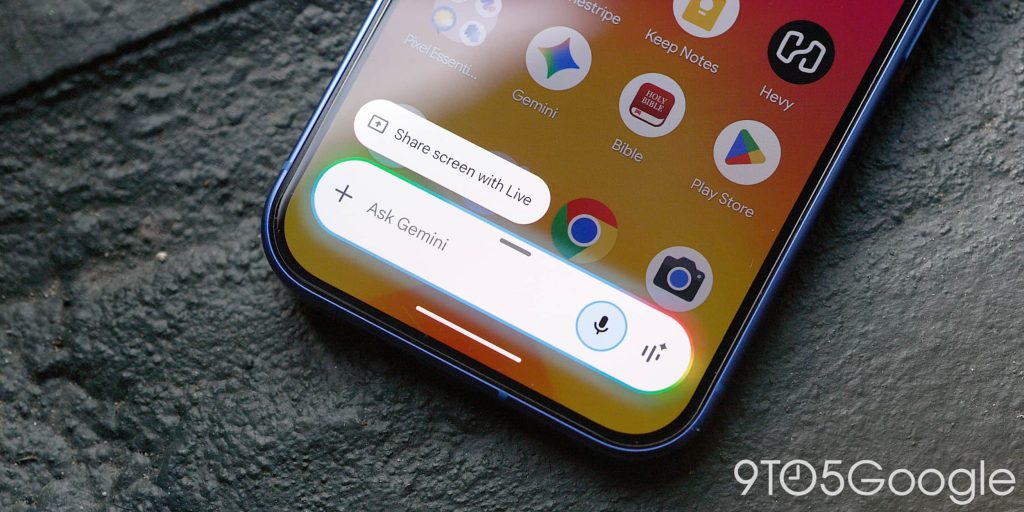

You may have also noticed a distinct shift away from brands over the past 18 months, as they try to sell phones solely on their hardware or internal specifications nowadays. Almost every single phone maker is trying to integrate AI somewhere or somehow, even if it doesn’t truly elevate the core experience.
What’s more, Gemini has been a massive component of Pixel marketing, with less time being allotted to pure Android functions in ads, billboards, and other media. AI development moves much faster than Android, so a pertinent…
Source link
Disclaimer
We strive to uphold the highest ethical standards in all of our reporting and coverage. We blogs.grocliq.com want to be transparent with our readers about any potential conflicts of interest that may arise in our work. It’s possible that some of the investors we feature may have connections to other businesses, including competitors or companies we write about. However, we want to assure our readers that this will not have any impact on the integrity or impartiality of our reporting. We are committed to delivering accurate, unbiased news and information to our audience, and we will continue to uphold our ethics and principles in all of our work. Thank you for your trust and support.
Website Upgradation is going on for any glitch kindly connect at [email protected]