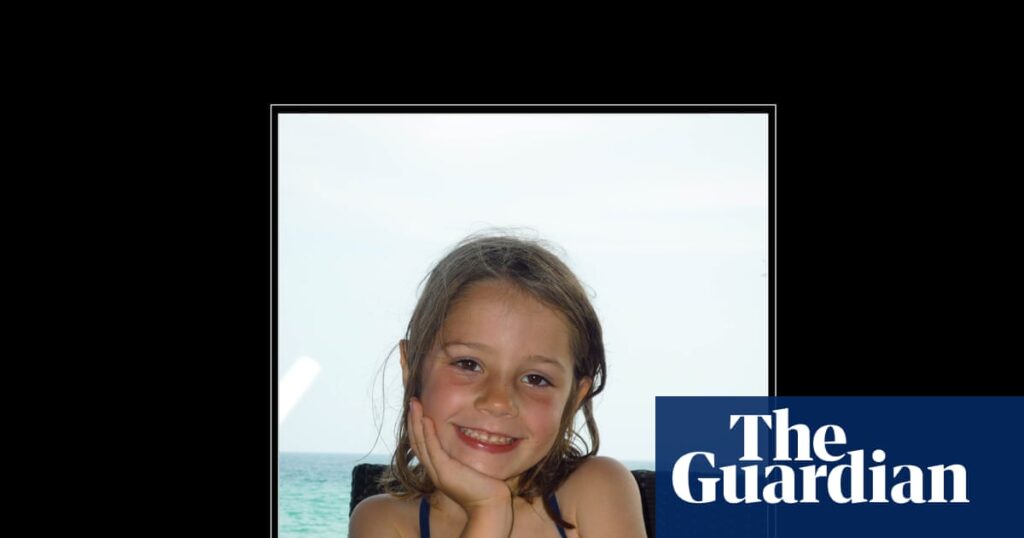

Ian Russell describes his life as being split into two parts: before and after 20 November 2017, the day his youngest daughter, Molly, took her own life as a result of depression and negative social media content. “Our life before Molly’s death was very ordinary. Unremarkable,” he says. He was a television producer and director, married with three daughters. “We lived in an ordinary London suburb, in an ordinary semi-detached house, the children went to ordinary schools.” The weekend before Molly’s death, they had a celebration for all three girls’ birthdays, which are in November. One was turning 21, another 18 and Molly was soon to be 15. “And I remember being in the kitchen of a house full of friends and family and thinking, ‘This is so good. I’ve never been so happy,’” he says. “That was on a Saturday night and the following Tuesday morning, everything was different.”
The second part of Russell’s life has been not only grief and trauma, but also a commitment to discovering and exposing the truth about the online content that contributed to Molly’s death, and campaigning to prevent others falling prey to the same harms. Both elements lasted far longer than he anticipated. It took nearly five years to get enough information out of social media companies for an inquest to conclude that Molly died “from an act of self-harm while suffering from depression and the negative effects of online content”. As for the campaigning, the Molly Rose Foundation provides support, conducts research and raises awareness of online harms, and Russell has been an omnipresent spokesperson on these issues.
He has been busier than ever lately. We meet at a London hotel, a few hours before the House of Lords vote on an amendment to the children’s wellbeing and schools bill that would ban access to social media for under-16s. The amendment was expected to pass – and it did, by 261 votes to 150. Keir Starmer’s government is in favour of a consultation, and a pause to see how Australia’s trailblazing unfolds. But a UK ban has had widespread support, from Conservatives, including Kemi Badenoch, as well as more than 60 Labour MPs, bereaved relatives of children whose deaths were social media-related, celebrities, campaign groups and, it seems, the public – a YouGov poll in December found that 74% of British adults were in favour.
Russell, however, is not in favour of such a ban. Last Sunday he co-signed a joint statement, alongside the NSPCC, Full Fact, the 5 Rights Foundation and others, arguing that “blanket bans on social media would fail to deliver the improvement in children’s safety and wellbeing that they so urgently need”.
An inconvenient split seems to have opened up, at a time when online harms and social media companies are finally in the spotlight. But if anyone has spent time weighing up this issue, it’s Russell, and he…
Source link
Disclaimer
We strive to uphold the highest ethical standards in all of our reporting and coverage. We blogs.grocliq.com want to be transparent with our readers about any potential conflicts of interest that may arise in our work. It’s possible that some of the investors we feature may have connections to other businesses, including competitors or companies we write about. However, we want to assure our readers that this will not have any impact on the integrity or impartiality of our reporting. We are committed to delivering accurate, unbiased news and information to our audience, and we will continue to uphold our ethics and principles in all of our work. Thank you for your trust and support.
Website Upgradation is going on for any glitch kindly connect at [email protected]