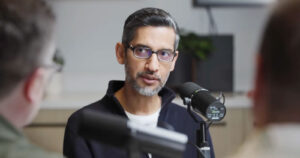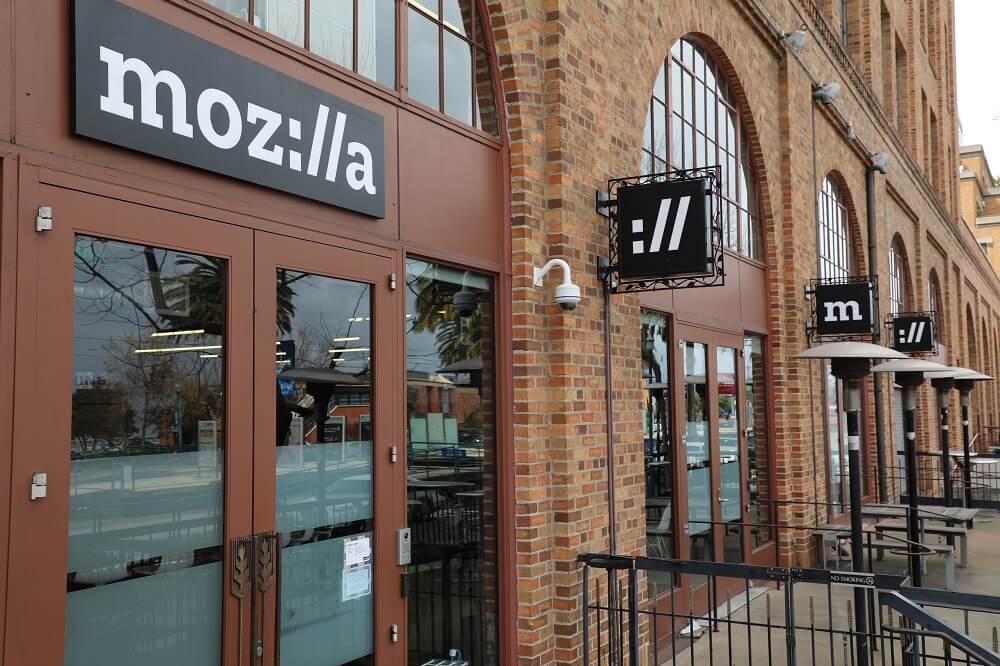

Mark Surman, President of Mozilla, has long championed an open, privacy-respecting internet. In a conversation with MediaNama Editor Nikhil Pahwa on the sidelines of the India AI Summit 2026, Surman reflects on how the rapid rise of artificial intelligence is reshaping the foundations of the web and the institutions built to support it.
Surman discusses the evolving role of browsers in an agent-first world, introducing the idea of “portable private memory” to ensure user control, interoperability, and competition across AI systems. He also addresses the economic challenges facing the open web as AI-driven interfaces reshape how users access content.
The interview further explores the promise of open-source AI, the growing importance of small language models, and Mozilla’s efforts to diversify its revenue and re-engage with India’s developer and open-source communities, positioning the organization as a key player in shaping a more open and trustworthy AI ecosystem.
You can watch the full interview here
Here is the full excerpt of the interview.
Table of contents for the interview
- The future of the open web in an AI-first world
- AI, declining traffic, and the future of web business models
- Rising bot traffic and the need for new web architecture
- Whether an agentic web requires new infrastructure
- Whether browsers have a future in an AI agent-driven world
- Browser engines, competition, and the need to evolve
- Interoperability, agents, and the changing role of the browser
- Mozilla’s values in an AI-driven internet
- Search, AI, and Mozilla’s Revenue Risk
- Product Strategy and Organisational Shift
- Mozilla Ventures and the “Firefox-like” Model
- What is Open-Source AI?
- Licensing, Commons, and Corporate Use
- Mozilla’s Approach to Open AI Ecosystems
- Takeaways from the India AI Impact Summit
- Small Language Models vs Big AI
- Mozilla’s India Strategy and Re-engagement
- India’s Opportunity in the AI Transition
1. The future of the open web in an AI-first world
Nikhil Pahwa: Let’s start with an easy one. Is there a future for the open web in an agent first world?
Mark Surman: I absolutely think there’s a future for the open web, but we actually have to figure out what that means and how to shape that future.
The web has gone through a lot of different evolutions, right? I mean, we could have been, in fact, we were, at the beginning of the smartphone revolution, saying, ‘Well, apps destroy the open web.’ Well, have they?
No. I mean, we certainly spend a lot of time in apps, but we also have found other ways to reach each other. We find the web in relation to apps. Often, content from the web we experience through apps; often, monetization comes through apps. But this web of content and relationships that is, I think, at the heart of what we mean by the open web still has continued…
Source link
Disclaimer
We strive to uphold the highest ethical standards in all of our reporting and coverage. We blogs.grocliq.com want to be transparent with our readers about any potential conflicts of interest that may arise in our work. It’s possible that some of the investors we feature may have connections to other businesses, including competitors or companies we write about. However, we want to assure our readers that this will not have any impact on the integrity or impartiality of our reporting. We are committed to delivering accurate, unbiased news and information to our audience, and we will continue to uphold our ethics and principles in all of our work. Thank you for your trust and support.
Website Upgradation is going on for any glitch kindly connect at [email protected]