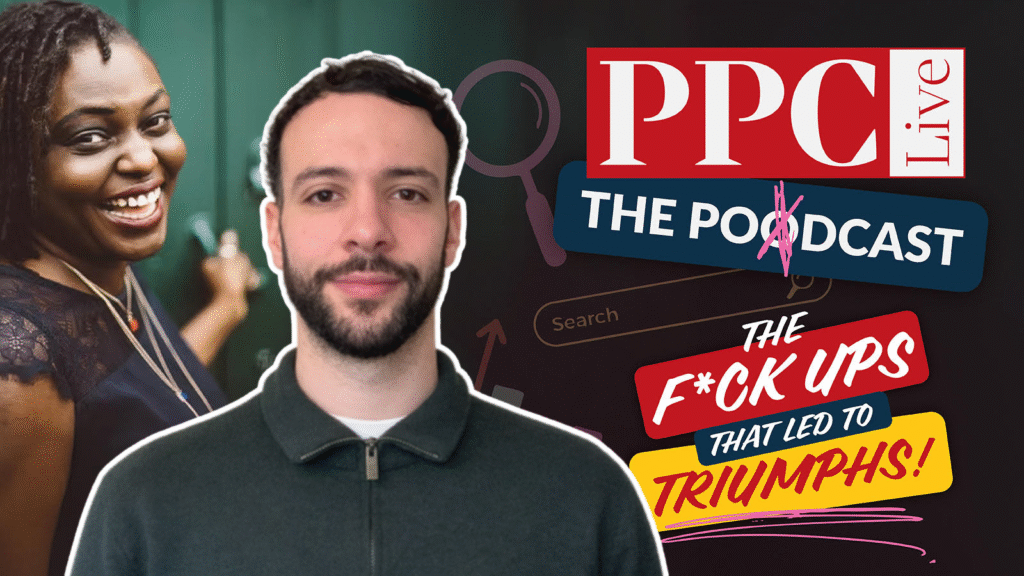

In a recent PPC Live podcast conversation, Dean Kadi, Head of Paid Growth at One Link Media, shared a real-world agency experience where a client insisted on replacing high-performing Meta ads with heavily branded creative — despite clear evidence that the existing strategy was delivering strong results. The discussion highlights the tension agencies often face between expertise and client preference, while offering valuable lessons on communication, testing, tracking, and why data should always lead decision-making in PPC.
The campaign was performing exceptionally well
Dean Kadi and his team at One Link Media built a highly successful Meta advertising strategy for premium woodworking brand Rubio Monocoat using user-generated content (UGC). By testing multiple creators, hooks, formats, and messaging angles, they improved the account’s ROAS from around 2.1x to consistently between 3x and 4x. Their testing revealed that the biggest purchase driver was not the product’s variety of colours, but the fact that customers only needed one coat of product, saving significant time and effort.
The client wanted to pause all winning ads
Despite strong performance, the client unexpectedly requested that all successful UGC ads be paused in favour of heavily branded static and video creatives. The new ads looked polished but failed to feel native to the Meta platform, which is often critical for engagement and conversion. The decision wasn’t based on performance issues but on the client’s preference for more traditional branding.
The dangerous assumption behind the new strategy
The client based their new creative direction on a survey suggesting customers liked the brand’s colour range, assuming this was the primary reason people purchased. However, the agency’s testing data had already proven otherwise. This highlights a common mistake in marketing where internal assumptions or isolated feedback override broader performance data and real-world customer behaviour.
“We’d prefer this to be a winner”
One of the most telling moments in the discussion came when the client admitted they simply wanted the new creative approach to succeed. Dean pointed out that paid media doesn’t work based on preference or hope — audiences decide what resonates. No matter how strongly stakeholders feel about a campaign direction, performance data ultimately determines success.
What agencies should do in situations like this
Dean advised agencies to stay calm, professional, and evidence-led when disagreements with clients arise. Rather than arguing emotionally, marketers should clearly communicate risks, explain their reasoning, and document recommendations in writing. By maintaining professionalism and allowing the data to speak for itself, agencies can protect relationships while still standing behind their expertise.
The results tanked — exactly as…
Source link
Disclaimer
We strive to uphold the highest ethical standards in all of our reporting and coverage. We blogs.grocliq.com want to be transparent with our readers about any potential conflicts of interest that may arise in our work. It’s possible that some of the investors we feature may have connections to other businesses, including competitors or companies we write about. However, we want to assure our readers that this will not have any impact on the integrity or impartiality of our reporting. We are committed to delivering accurate, unbiased news and information to our audience, and we will continue to uphold our ethics and principles in all of our work. Thank you for your trust and support.
Website Upgradation is going on for any glitch kindly connect at [email protected]