
When Unilever CEO Fernando Fernández stood before investors and declared that the era of expensive corporate brand advertising was over, calling traditional TV-heavy campaigns “lazy marketing,” the shockwave through the agency world was immediate. Half of Unilever’s massive global advertising budget would shift to a “social-first” strategy. Creator collaborations would scale by 20 times. The target would be an army of over 300,000 influencers, including a micro-influencer in every postal code in key markets like India.
Traditional advertising agencies that had spent decades building relationships around six-figure production budgets and a handful of celebrity partnerships suddenly faced a client with an operationally impossible mandate. Manual sourcing, onboarding, and content approval at 300,000-creator scale simply does not exist as a human workflow. Specialized creator agencies picked up business that legacy agency-of-record relationships had assumed were locked in.
The panic was understandable. It was also aimed at the wrong target.
The More Important Question
A March 2026 Adobe Express study surveyed video creators across YouTube, TikTok, and Instagram and found that 71% have now adopted AI video generation or editing tools. Of those, 41% deploy them on a weekly basis. 56% of creators using AI tools report saving over 30 minutes per video on average, with 10% shaving more than four hours off their production time. On the performance side, they’re seeing a 19% average increase in audience watch time and a 17% boost in community engagement. Half plan to increase their AI tool spending over the next year.
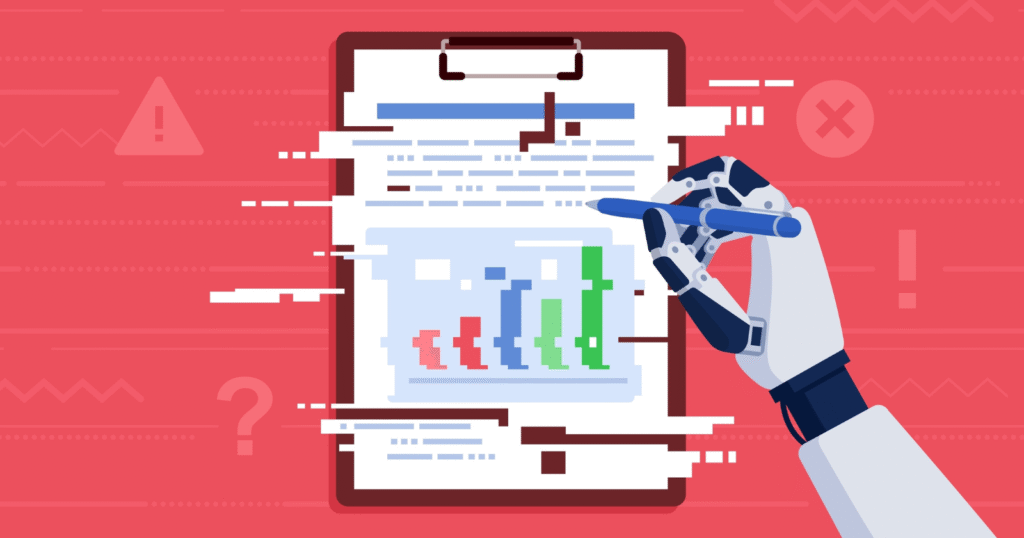
So, Unilever is building an army of 300,000 creators, and 71% of creators are now using AI to produce their content. The math is straightforward, and what Unilever is actually building is a massive distributed network for the production and distribution of AI-assisted content at a scale the marketing industry has never seen.
The question that hasn’t been answered yet is whether any of it will work.
→ Read More: The State Of AI In Marketing: 6 Key Findings From Marketing Leaders
Will It Work?
Unilever’s 300,000-creator network is generating content at a scale that makes traditional test-and-learn frameworks difficult to apply cleanly. When hyper-local micro-influencers are producing AI-assisted videos for niche audiences across hundreds of markets simultaneously, the signal-to-noise problem becomes acute. Individual pieces of content may perform well in isolation while the overall brand narrative diffuses into incoherence. Or the personalization may be exactly what audiences want, and the aggregate effect may be stronger than anything a single high-production campaign could achieve. Right now, the honest answer is that nobody knows with confidence.
Where DAIVID And ADIN.AI Come In
On April 27, 2026, two companies that many SEO professionals and digital marketers haven’t heard of yet announced a partnership that…
Source link
Disclaimer
We strive to uphold the highest ethical standards in all of our reporting and coverage. We blogs.grocliq.com want to be transparent with our readers about any potential conflicts of interest that may arise in our work. It’s possible that some of the investors we feature may have connections to other businesses, including competitors or companies we write about. However, we want to assure our readers that this will not have any impact on the integrity or impartiality of our reporting. We are committed to delivering accurate, unbiased news and information to our audience, and we will continue to uphold our ethics and principles in all of our work. Thank you for your trust and support.
Website Upgradation is going on for any glitch kindly connect at [email protected]