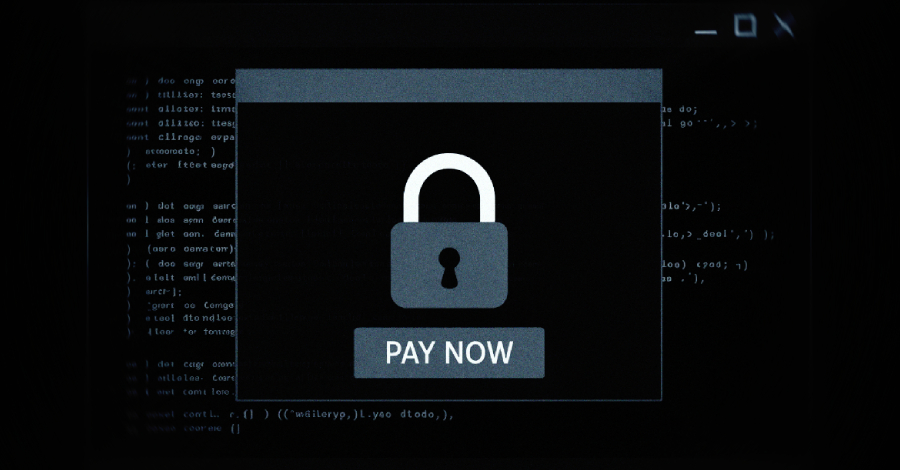


Microsoft on Tuesday said it disrupted a malware-signing-as-a-service (MSaaS) operation that weaponized the company’s Artifact Signing system to deliver malicious code and conduct ransomware and other attacks, compromising thousands of machines and networks across the world.
The tech giant attributed the activity to a threat actor it calls Fox Tempest, which it said offered the MSaaS scheme to allow cybercriminals to disguise malware as legitimate software. The threat actor has been active since May 2025. The seizure effort has been codenamed OpFauxSign.
“To disrupt the service, we seized Fox Tempest’s website signspace[.]cloud, took offline hundreds of the virtual machines running the operation, and blocked access to a site hosting the underlying code,” Steven Masada, assistant general counsel at Microsoft’s Digital Crimes Unit, said.
Microsoft noted that the operation enabled the deployment of Rhysida ransomware by threat actors such as Vanilla Tempest, along with other malware families like Oyster, Lumma Stealer, and Vidar, illustrating the crucial role played by Fox Tempest within the cybercrime ecosystem.
In addition, connections have been uncovered between the threat actor and affiliates associated with several prominent ransomware strains, including INC, Qilin, BlackByte, and Akira. Attacks mounted by these operations have targeted healthcare, education, government, and financial services located across the U.S., France, India, and China.
Artifact Signing (formerly Azure Trusted Signing) is Microsoft’s fully managed, end-to-end signing solution that allows developers to easily build and distribute applications, while ensuring that the software is legitimate and hasn’t been modified by unauthorized parties.
Fox Tempest is said to have leveraged this mechanism to generate short-lived, fraudulent code-signing certificates and use them to deliver trusted, signed malware and slip past security controls. The certificates were valid for only 72 hours.
“To obtain legitimate signed certificates through Artifact Signing, the requestor must pass detailed identify validation processes in keeping with industry standard verifiable credentials (VC), which suggests the threat actor very likely used stolen identities based in the United States and Canada to masquerade as a legitimate entity and obtain the necessary digital credentials for signing,” Microsoft explained.
“The SignSpace website was built on Artifact Signing and enabled secure file signing through an admin panel and user page, leveraging Azure subscriptions, certificates, and a structured database for managing users and files.”
The service allowed paying cybercriminal customers to upload malicious files for code-signing using certificates fraudulently obtained by Fox Tempest. This, in turn, allowed malware and ransomware to masquerade as legitimate software like AnyDesk, Microsoft Teams, PuTTY, and Cisco Webex. The service cost between $5,000 and $9,000.
Starting February…
Source link
Disclaimer
We strive to uphold the highest ethical standards in all of our reporting and coverage. We blogs.grocliq.com want to be transparent with our readers about any potential conflicts of interest that may arise in our work. It’s possible that some of the investors we feature may have connections to other businesses, including competitors or companies we write about. However, we want to assure our readers that this will not have any impact on the integrity or impartiality of our reporting. We are committed to delivering accurate, unbiased news and information to our audience, and we will continue to uphold our ethics and principles in all of our work. Thank you for your trust and support.
Website Upgradation is going on for any glitch kindly connect at [email protected]