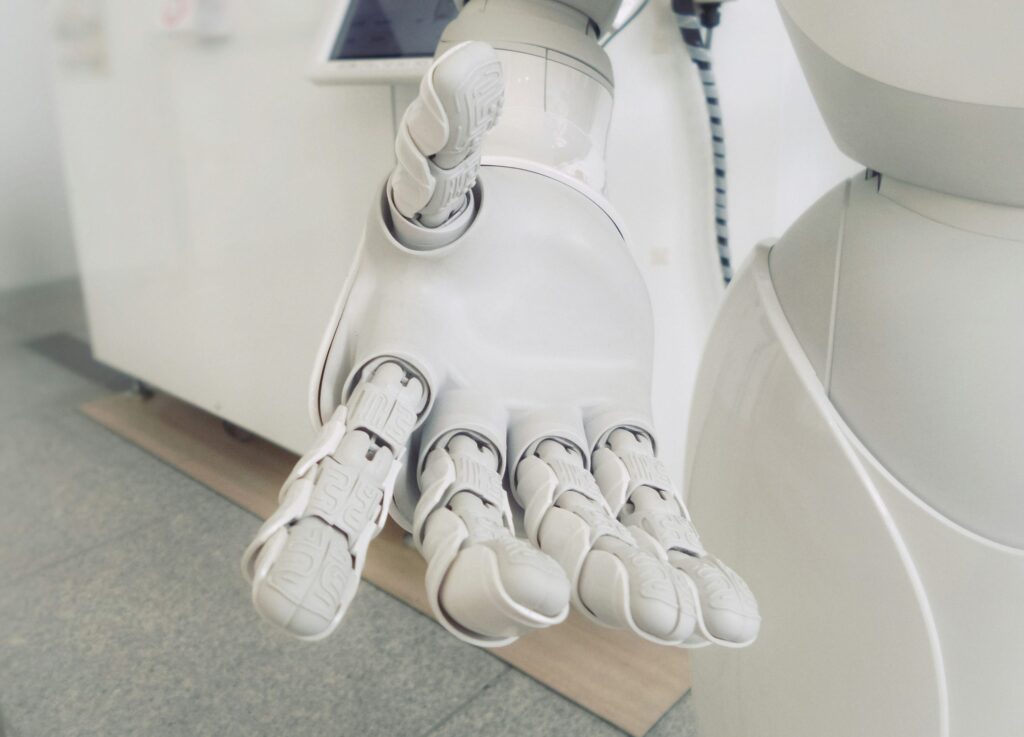

Japan’s AI robots plan just went from a talking point to a formal national strategy. This week, the government confirmed the numbers everyone’s been quoting: 10 million AI-powered robots deployed across 18 industries by 2040, backed by public funding of up to one trillion yen, or roughly US$6.1 billion, over five years.
The headline figure is the kind that gets shared without much scrutiny. What’s easy to miss is that this isn’t a policy wish list either. It’s a project the government has now formally commissioned, and the company doing the building is one most people outside Japan haven’t heard of.
The project behind the AI robots plan
METI and NEDO, Japan’s industry ministry and its innovation agency, have formally commissioned Noetra and AIST, a national research lab, to develop a “physical AI” model as part of a push running from fiscal 2026 to 2030. The goal is a multimodal foundation model, one that can read language, images, video and sensor data together, so a robot can actually interpret a room and act in it rather than just execute pre-programmed motions.
An initial version is due out as early as this fiscal year, with annual upgrades after that, built using data volunteered by manufacturers and other participating companies. The money isn’t unconditional, either. The current fiscal year’s commission is reportedly worth around US$2.3 billion on its own, drawn from a 387.3 billion yen allocation funded through GX Economy Transition Bonds.
Only the first two years are locked in. After that, funding gets reviewed annually through a stage-gate process, meaning Tokyo can pull back if Noetra misses its milestones. For a project this size, that’s a meaningful detail: the trillion-yen figure is a ceiling, not a guarantee.
Who’s actually building it?
Noetra is majority-owned by SoftBank, NEC, Sony Group and Honda, with Fujitsu and Rakuten reportedly weighing whether to join. SoftBank engineers are working alongside researchers from Preferred Networks and AIST itself.
It’s a familiar shape for a Japanese industrial push: rather than one company chasing a frontier model alone, the state has assembled a consortium of firms that already build the hardware this model needs to run on, from Honda’s robotics to Sony’s imaging sensors.
Why robots, and why now
Industry minister Ryosei Akazawa has been direct about the reasoning. The plan, he said, will “vigorously promote social implementation” across sectors, including restaurants, food manufacturing and medical care. Behind that language is a labour market running out of people: Japan’s ageing population, combined with tight migration policy, has left large parts of the economy short of workers with no easy fix in sight.
Japan isn’t starting from nothing here. The country has spent years building robotics expertise in elder care, disaster response, manufacturing and even the Fukushima Daiichi cleanup. This project is an attempt to turn that experience into…
Source link
Disclaimer
We strive to uphold the highest ethical standards in all of our reporting and coverage. We blogs.grocliq.com want to be transparent with our readers about any potential conflicts of interest that may arise in our work. It’s possible that some of the investors we feature may have connections to other businesses, including competitors or companies we write about. However, we want to assure our readers that this will not have any impact on the integrity or impartiality of our reporting. We are committed to delivering accurate, unbiased news and information to our audience, and we will continue to uphold our ethics and principles in all of our work. Thank you for your trust and support.
Website Upgradation is going on for any glitch kindly connect at [email protected]