

The same search no longer guarantees the same answer. In 2026, the biggest change in digital discovery isn’t simply that AI generates answers. It’s that those answers are personalized for individual users.
Traditional search engines ranked webpages primarily based on relevance, authority, and popularity. Today’s AI-powered search experiences, including Google AI Overviews, Google AI Mode, Claude, ChatGPT, Perplexity, and other large language model interfaces, are designed to understand the searcher as much as the search query itself.
Instead of asking, “What is the best answer?” Search systems are asking, “What is the best answer for this particular individual?”
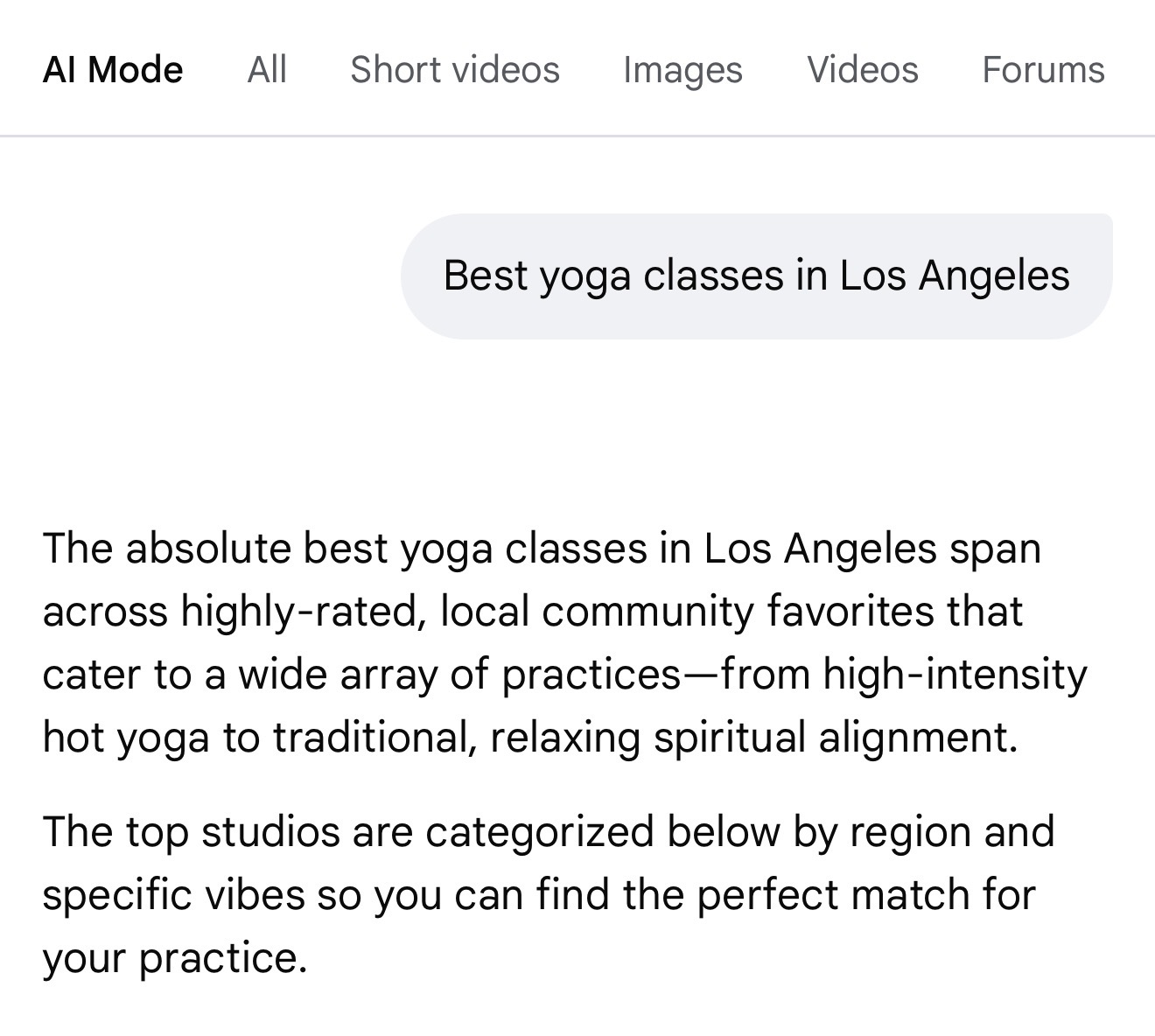

Understanding how AI personalizes search experiences is the first step toward adapting your SEO strategy.
The roots of personalized search
For much of SEO’s history, search professionals have talked about “ranking No. 1” as if everyone saw the same search results. In reality, that was never entirely true.
Google has personalized search for years using signals such as location, language, device type, search history, and geographic intent. A user searching for “coffee shop” in Seattle naturally received different results than someone in Miami.
Mobile users also had different experiences from desktop users. Returning users encountered recommendations influenced by previous searches and browsing behavior. Personalization has been part of modern search for well over a decade.
What’s changed is the scope of that personalization. Instead of adapting results based primarily on location, language, or search history, AI systems tailor responses to the individual behind the query.
Be the brand AI recommends.
See where your brand appears in AI search, where competitors are winning, and what it takes to become the answer AI recommends.
See your AI visibility
The shift from universal rankings to individual recommendations
Traditional search engines primarily ranked webpages. The underlying question was, “Which page best answers this query?”
Modern AI-powered search asks a different question: “Which answer is most helpful for this specific person at this exact moment?”
Large language models synthesize information from across the web while incorporating an expanding set of contextual signals.
As a result, two people can ask the exact same question and receive noticeably different answers, not because one result is objectively “better,” but because each answer is adapted to the individual’s context.
Search and social are converging
A common misconception is that search and social remain separate disciplines. They’re becoming part of the same discovery ecosystem.
Historically:
- Search answered specific questions.
- Social platforms created awareness.
- Websites served as the primary…
Source link
Disclaimer
We strive to uphold the highest ethical standards in all of our reporting and coverage. We blogs.grocliq.com want to be transparent with our readers about any potential conflicts of interest that may arise in our work. It’s possible that some of the investors we feature may have connections to other businesses, including competitors or companies we write about. However, we want to assure our readers that this will not have any impact on the integrity or impartiality of our reporting. We are committed to delivering accurate, unbiased news and information to our audience, and we will continue to uphold our ethics and principles in all of our work. Thank you for your trust and support.
Website Upgradation is going on for any glitch kindly connect at [email protected]