
You probably set up your Google Business Profile a while back, filled in your address, picked your categories, maybe chased down a few reviews, and then called it done. Totally understandable. That was enough, once.
But here’s what’s changed: If you haven’t meaningfully touched that profile in months, you’re losing visibility to competitors who figured out something you haven’t yet. Google transformed GBP from a directory listing into a live engagement surface, and businesses that treat it like the former are quietly bleeding map pack rankings they don’t even know they’ve lost.
This applies to every local business. Retailers, yes, but also law firms, dental practices, restaurants, gyms, plumbers, and salons. If your GBP isn’t actively signaling to Google that you’re open for business and earning it every day, you’re leaving real visibility on the table.
Let’s talk about what killed the static profile, what Google built in its place, and exactly what you need to do about it.
When “Set It And Forget It” Actually Worked
Cast your mind back to the directory era. You filled out your name, address, and phone number (NAP), chose a category, uploaded a logo, and crossed your fingers. Google treated these profiles as reference points, fixed coordinates in the physical world. The algorithm cared about NAP consistency across directories more than anything else. Match your citations across 50 listing sites? You were golden.
It worked because that’s genuinely all Google needed. The platform was confirming you existed at a given address. Nothing more.
The New Table Stakes (And Why They’re Not Enough)
Those fundamentals haven’t disappeared; they’ve just become the entry fee. According to the 2026 Local Search Ranking Factors report, the primary GBP category is still the No. 1 factor for local pack visibility, followed by proximity to the searcher and keywords in the business title. These matter enormously. But when every serious competitor has them dialed in, they stop being differentiators.

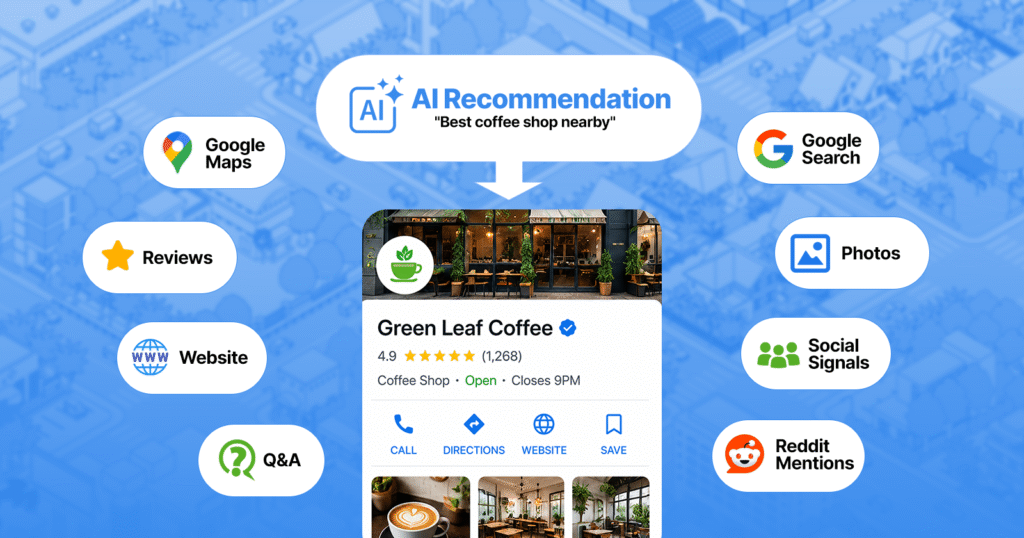
The report also makes clear that behavioral and engagement signals, posts, photos, clicks, calls, direction requests, and review cadence are climbing fast in importance. Google is actively rewarding businesses that “look alive.”
There’s also a finding worth pausing on: Being open when users search is now the No. 5 local pack ranking factor. Your hours aren’t just informational; they’re a ranking signal. This was first noted by Joy Hawkins of Sterling Sky and subsequently confirmed by a BrightLocal study of 50 businesses across 10 categories, which found that rankings tended to drop when a business is listed as closed. Don’t treat your hours as a set-and-forget field. Audit them quarterly, set special hours for holidays before the holiday arrives (not after), and consider whether your current hours are costing you visibility during high-intent search windows.
A static profile with perfect…
Source link
Disclaimer
We strive to uphold the highest ethical standards in all of our reporting and coverage. We blogs.grocliq.com want to be transparent with our readers about any potential conflicts of interest that may arise in our work. It’s possible that some of the investors we feature may have connections to other businesses, including competitors or companies we write about. However, we want to assure our readers that this will not have any impact on the integrity or impartiality of our reporting. We are committed to delivering accurate, unbiased news and information to our audience, and we will continue to uphold our ethics and principles in all of our work. Thank you for your trust and support.
Website Upgradation is going on for any glitch kindly connect at [email protected]