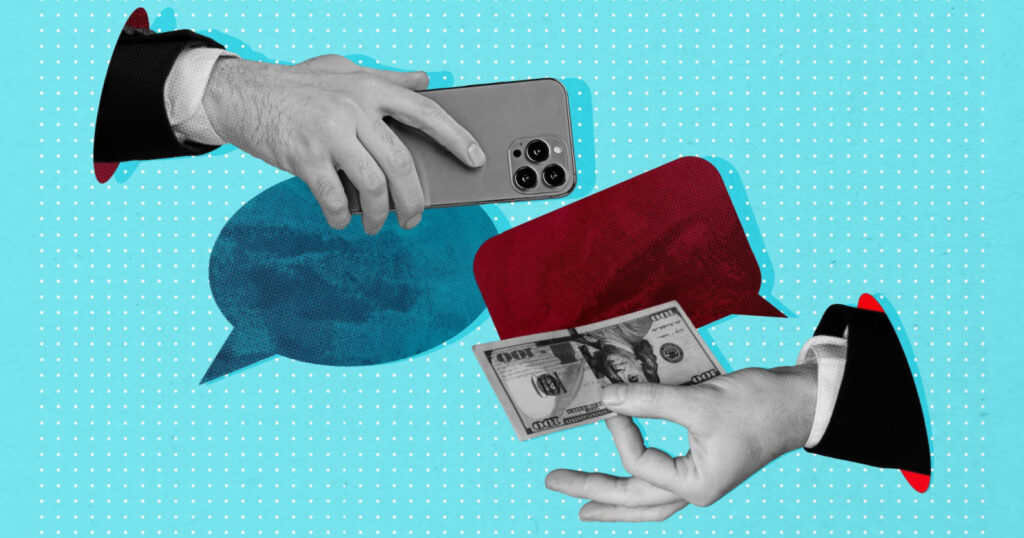

For two decades, the arrangement between search engines and publishers was a symbiotic relationship where publishers allowed crawling, and search engines sent referral traffic back. That traffic helped to fund content creation for publishers through ads and subscriptions.
AI features are changing this, and the deal is starting to break down.
AI Overviews, ChatGPT, and answer engines keep users within their platform instead of sending them to source sites. The result is publishers are watching their traffic decline while AI companies crawl more content than ever.
New payment models are emerging to replace the old economics. some involve usage-based revenue sharing, others are flat licensing deals worth millions, and a few have ended in court settlements. But the terms vary widely, and it’s unclear whether any model can sustain the content ecosystem that AI depends on.
This article examines the payment models taking shape, how different publishers are responding, and what SEO professionals should consider as the industry figures out sustainable economics.
How The Traffic Exchange Has Changed
When AI Overviews appear in results, the traffic loss is measurable, with only 8% of users clicking any link compared to 15% without AI summaries. That’s a 46.7% drop. Just 1% of users clicked citation links within the AI Overview itself.
Zero-click searches increased from 56% to 69% between 2024 and 2025. Organic traffic to U.S. websites declined from 2.3 billion visits to under 1.7 billion in the same period.
Digital Content Next surveyed premium publishers and found year-over-year traffic declines. Some sites hit double-digit percentage drops during peak impact weeks.
The crawl-to-referral ratio shows how unbalanced this is. Cloudflare’s analysis tracks Google Search maintaining roughly a 10:1 ratio, crawling about 10 pages for every referral sent back. OpenAI’s ratio was estimated at around 1,200:1 to 1,700:1.
Fewer pageviews mean fewer ad impressions, lower subscription conversions, and reduced affiliate revenue.
Payment Models Taking Shape
Three payment models are emerging.
1. Usage-Based Revenue Sharing
Perplexity launched its Comet Plus program in 2025. The company shares subscription revenue with publishers after keeping a cut for compute costs, though the exact split isn’t disclosed.
Publishers get paid when articles appear in Comet browser results, when they drive traffic through the browser, and when AI agents use content. Participants include TIME, Fortune, Los Angeles Times, Adweek, and Blavity.
ProRata offers a 50/50 split through its Gist.ai answer engine, backed by the News/Media Alliance, using attribution algorithms to track how much each article contributed.
These models tie pay to usage, but the pools stay small compared to traditional search revenue and scaling depends on converting free users to paid subscribers.
2. Flat-Rate Licensing Deals
OpenAI has pursued licensing agreements with publishers. News Corp secured a…
Source link
Disclaimer
We strive to uphold the highest ethical standards in all of our reporting and coverage. We blogs.grocliq.com want to be transparent with our readers about any potential conflicts of interest that may arise in our work. It’s possible that some of the investors we feature may have connections to other businesses, including competitors or companies we write about. However, we want to assure our readers that this will not have any impact on the integrity or impartiality of our reporting. We are committed to delivering accurate, unbiased news and information to our audience, and we will continue to uphold our ethics and principles in all of our work. Thank you for your trust and support.
Website Upgradation is going on for any glitch kindly connect at [email protected]