

Branded search is often treated as predictable and easy to manage. In practice, it isn’t.
PPC teams see rising CPC on brand terms. SEO teams see declining branded CTR, even when rankings hold. These issues are usually investigated separately, with different dashboards, hypotheses, and fixes.
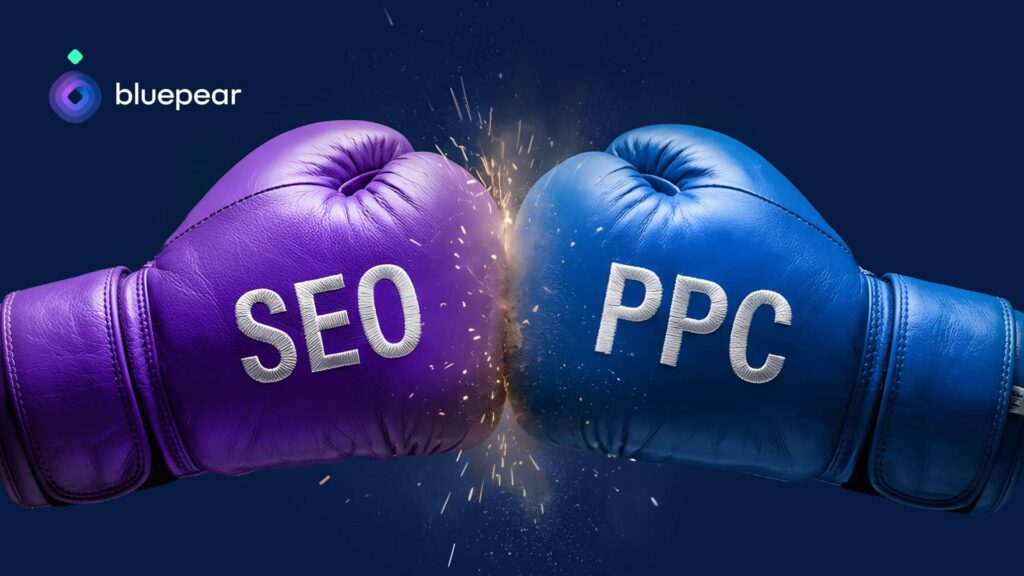
Both signals often stem from changes within a single SERP. What look like two separate problems are, in reality, one shared environment reacting to shifts in competition and visibility.
The issue isn’t a lack of data. Most teams already have basic reports and brand monitoring tools, including PPC and SEO platforms. The problem is how the data is used.
To understand what’s happening in branded search, teams must manually piece signals together. This takes time, doesn’t scale, and delays decisions.
Here’s why that fragmentation is harmful and what to do about it.
What’s actually happening in branded search
Branded search is often described in terms of channels — paid and organic. For users, that distinction doesn’t exist.
A single SERP brings together multiple layers:
- PPC ads
- Competitor ads or comparison pages
- Organic results, including brand-owned pages
- Affiliate listings promoting the same brand
- Review platforms and aggregators
All of these elements appear at once, within the same decision-making space.

From a SERP analysis perspective, this isn’t a set of isolated placements. It’s a dynamic environment where each element influences the others. A competitor ad above your organic result can reduce CTR. An affiliate listing can compete with your paid campaign. A review page can shift user intent before a click.
In practice, this creates a mismatch.
For users, branded search is a single page. Inside the company, it’s split across workflows and handled by different functions.
PPC focuses on bids and efficiency. SEO focuses on rankings and organic traffic. Affiliate activity is often tracked separately, if at all. Competitor tracking may exist, but usually within a single channel. The result is a fragmented view of what is, in practice, a shared space.
Understanding what’s happening in branded search often requires manual effort. The data is there, but building a complete, up-to-date view of the SERP on a regular basis is time-consuming and hard to scale. That makes it difficult to understand how these elements interact — and even harder to respond to changes as they happen.
What PPC teams see (and often miss)
From a PPC perspective, teams focus on these signals:
- Brand CPC starts to rise.
- More players appear in the auction.
- Branded campaigns become less efficient over time.
At first glance, this suggests increased competition. The typical response is to adjust bids, defend impression share, or refine targeting. All of it makes sense within paid media.
But this is where context changes everything.
What PPC teams don’t always see is…
Source link
Disclaimer
We strive to uphold the highest ethical standards in all of our reporting and coverage. We blogs.grocliq.com want to be transparent with our readers about any potential conflicts of interest that may arise in our work. It’s possible that some of the investors we feature may have connections to other businesses, including competitors or companies we write about. However, we want to assure our readers that this will not have any impact on the integrity or impartiality of our reporting. We are committed to delivering accurate, unbiased news and information to our audience, and we will continue to uphold our ethics and principles in all of our work. Thank you for your trust and support.
Website Upgradation is going on for any glitch kindly connect at [email protected]