
Demand for the computing power that undergirds AI models — “compute,” in the lingo of the industry — has skyrocketed.
Tech giants are committing hundreds of billions of dollars to construct massively resource-intensive data centers across the country, but the aging power grid and an increasingly resistant public are quickly turning these expansion efforts into nightmare.
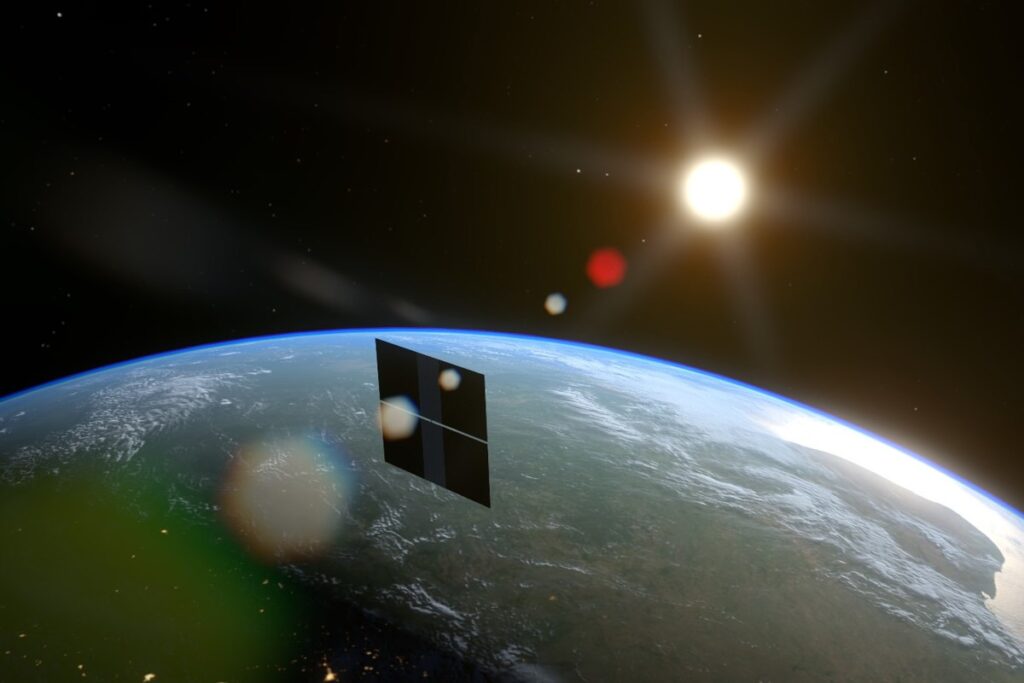
As an alternative, many AI companies — including Elon Musk’s SpaceX — are vowing to move the entire affair into Earth’s orbit, saying their orbital data centers will harvest the Sun’s energy around the clock and convert it into raw computing power.
But the emerging consensus is that the plan isn’t just overly ambitious; it would require several technological revolutions to overcome glaring engineering challenges.
A scathing takedown video — a collaboration between Irish aeronautical engineer Brian McManus from the YouTube channel Real Engineering and tech publication IEEE Spectrum — discusses the many pain points of Starcloud, a Y combinator company that raised $170 million earlier this year to develop data center spacecraft with the help of SpaceX, and how the white paper outlining the project feels far more like it was dreamed up by an AI than a team of human experts.
“It really seems like anyone with some renders and a white paper written by someone being gassed up by an overly agreeable AI can get VC funding these days,” McManus argued. “Billionaires will attempt to pull the rug over your eyes and convince you that this technology makes total sense, but reality is, this technology is dumb.”

The Truth about Space Data Centers
The scathing rebuke comes not long after SpaceX’s IPO, which turned the rocket company into one of the most valuable companies in the world over night. A huge chunk of its multitrillion-dollar valuation is tied up in Musk’s orbital data center vision, setting enormous stakes — and once again illustrating how much Wall Street is leaning on the richest man in the world’s beliefs, despite his abysmal track record when it comes to making good on his promises.
The engineering challenges of building out a constellation of enormous data centers in space are numerous.
For one, keeping piping hot AI hardware cool as it’s pushed to its limits is extremely difficult and requires sophisticated equipment even here on Earth. In the near-vacuum of space, it’s even harder, as all of that heat can’t simply escape, requiring an extensive network of pipes running coolants, presumably along the rows of solar arrays, according to McManus.
In the case of coolant fluids like glycol, each data center would have to pump over 150,000 pounds of the…
Source link
Disclaimer
We strive to uphold the highest ethical standards in all of our reporting and coverage. We blogs.grocliq.com want to be transparent with our readers about any potential conflicts of interest that may arise in our work. It’s possible that some of the investors we feature may have connections to other businesses, including competitors or companies we write about. However, we want to assure our readers that this will not have any impact on the integrity or impartiality of our reporting. We are committed to delivering accurate, unbiased news and information to our audience, and we will continue to uphold our ethics and principles in all of our work. Thank you for your trust and support.
Website Upgradation is going on for any glitch kindly connect at [email protected]