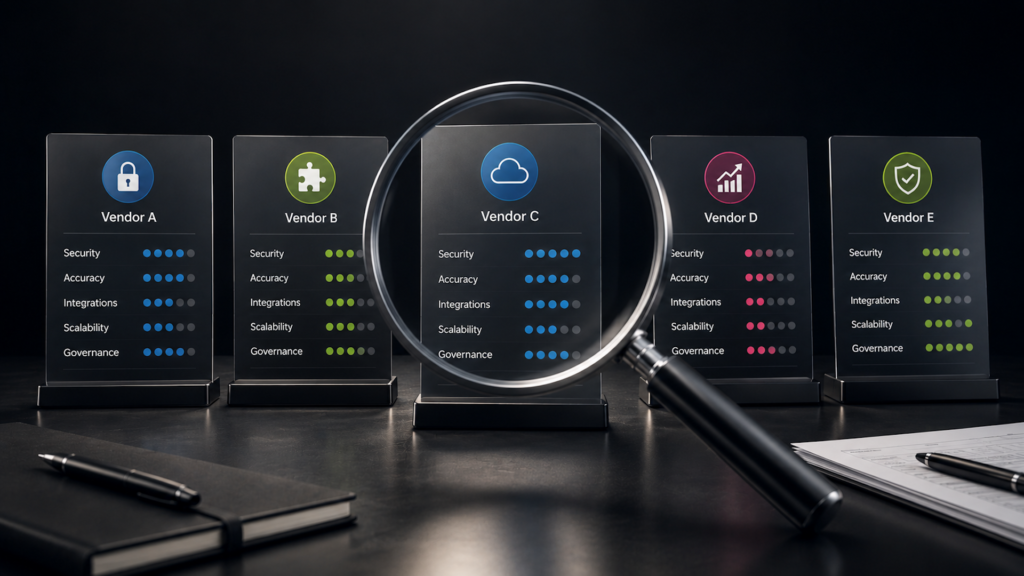

There are many ways to use AI in marketing, and it feels like for every smart initiative, 10 AI vendors have cropped up with a tool to address it.
At the beginning of this wave, I took more calls and answered more emails than I do these days. Over time, I realized I was asking vendors the same handful of questions to assess whether their tools were worth deploying.
If you’re in the same boat and overwhelmed with vendor outreach, here are five questions to help you figure out whether they’re worth your time, along with my rationale for asking them and what I’m looking to hear — or not hear.
This question should help you understand the purpose of the tool and — crucially — whether the value it creates maps to real business outcomes.
If the vendor can’t clearly state the challenges or use cases the tool addresses, it wasn’t purpose-built to solve a real problem your team faces, whether you’re in-house or at an agency. Beware of vendors who try to dazzle you with feature-heavy language but can’t explain the business benefits those features deliver.
If a vendor identifies at least one existing team problem the tool solves and explains how it improves business outcomes, it’s a good idea to keep talking. A great follow-up question is to ask for a case study showing how the tool was used and the outcomes it delivered for an organization similar to yours in size and vertical.
Look for benefits such as “increases output” or “identifies gaps in tracking to speed up troubleshooting.” But don’t rush to invest in tools that promise to “save time” (even if they truly do) unless you have a plan for how you’ll use that extra time.
Be the brand AI recommends.
See where your brand appears in AI search, where competitors are winning, and what it takes to become the answer AI recommends.
See your AI visibility
The answer to this question should tell you whether the vendor built this tool for advertisers or just at advertisers.
Technical chops matter, but so does understanding how a media buyer actually spends their day. If the vendor doesn’t have personal experience in media buying, they need to explain how they researched the media-buying market and incorporated those insights into the tool.
If they have a shallow understanding or lack expertise, that’s a red flag. It’s fine if a rep doesn’t have that expertise directly, but someone on their team should, and you should have access to that person as soon as possible if you intend to keep talking.
If a vendor has a story or background that led them to identify a problem you can relate to firsthand and decide to build the solution themselves, that’s compelling. A founding mission that addresses your existing challenges is a solid foundation for a tool that can make a difference in your team’s performance.
3. What case…
Source link
Disclaimer
We strive to uphold the highest ethical standards in all of our reporting and coverage. We blogs.grocliq.com want to be transparent with our readers about any potential conflicts of interest that may arise in our work. It’s possible that some of the investors we feature may have connections to other businesses, including competitors or companies we write about. However, we want to assure our readers that this will not have any impact on the integrity or impartiality of our reporting. We are committed to delivering accurate, unbiased news and information to our audience, and we will continue to uphold our ethics and principles in all of our work. Thank you for your trust and support.
Website Upgradation is going on for any glitch kindly connect at [email protected]