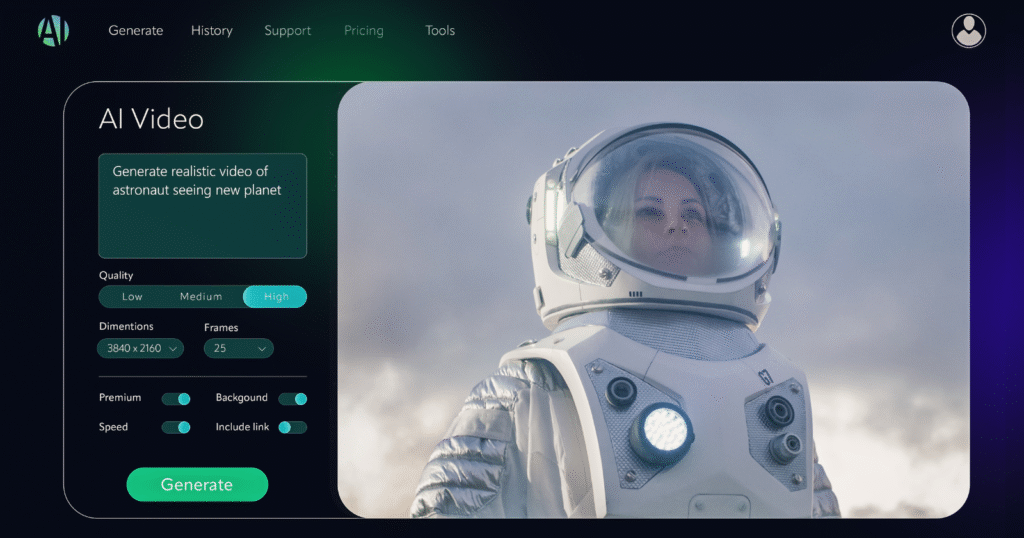

OpenAI shut down the Sora app in a two-sentence social media post in late March, but the reason it collapsed had nothing to do with video quality. The company wrote that it was “saying goodbye to the Sora app,” according to the Associated Press, after months of pressure over deepfakes of Michael Jackson, Martin Luther King Jr., and Mister Rogers that forced OpenAI into reactive takedowns before family estates and an actors’ union intervened. Sora didn’t fail because the model couldn’t generate convincing video. It failed because nobody had built the trust infrastructure around it before letting the public loose on the prompt box.
The same week, YouTube’s enforcement data told a related story from the opposite direction. In January, the platform permanently deleted 16 channels under what it now calls its inauthentic content policy, a July 2025 rename of the old repetitious content rule. Those channels had a combined 35 million subscribers and 4.7 billion lifetime views, and they were producing mass-generated, templated video with no human editorial input behind it, according to reporting in The Hollywood Reporter.
Both stories are about the same failure. Neither is really about AI video getting better or worse. They’re about what happens when scale outruns the human judgment that’s supposed to sit on top of it, and that gap is exactly what I built my 5-Pillar Framework for AI content to close back in April. Four months later, it doesn’t need much of an update.
The Cost Of Scale Just Dropped Again, Which Raises The Stakes
Two days before Sora’s shutdown made headlines, Google published a blog post announcing Veo 3.1 Lite, its most cost-effective video generation model, priced at less than half of Veo 3.1 Fast for the same speed. Developers can now generate four-, six-, or eight-second clips in landscape or portrait at up to 1080p, built explicitly for high-volume applications.
That’s not a criticism of the tool. It’s a fact worth ground truthing. The cost of producing video at scale keeps falling, which means the pressure my framework’s Pillar 1 was built to manage – the temptation to treat AI as a shortcut instead of infrastructure – is only going to grow. Cheaper generation makes strategy-first discipline more necessary, not less.
The Human Face Became A Trust Signal, Not Just A Style Choice
Craig Billings runs a science channel called Doctor NOS with 1.7 million subscribers, and he told The Hollywood Reporter that faceless channels covering his same territory are getting hit hard by the crackdown. Most of them are getting demonetized, he said, while creators who never touched AI but also never showed their face are getting caught in the same net.
That’s a real cost of imperfect enforcement, and it’s worth naming honestly, but it also confirms something my framework already argued in Pillar 5. YouTube’s own policy page, “How Creators Use AI for Content Creation,” states plainly that the platform…
Source link
Disclaimer
We strive to uphold the highest ethical standards in all of our reporting and coverage. We blogs.grocliq.com want to be transparent with our readers about any potential conflicts of interest that may arise in our work. It’s possible that some of the investors we feature may have connections to other businesses, including competitors or companies we write about. However, we want to assure our readers that this will not have any impact on the integrity or impartiality of our reporting. We are committed to delivering accurate, unbiased news and information to our audience, and we will continue to uphold our ethics and principles in all of our work. Thank you for your trust and support.
Website Upgradation is going on for any glitch kindly connect at [email protected]