

Google is testing a series of experimental AI-powered features that could change how people interact with search and digital discovery.
Tools like Doppl, Food Mood, Talking Tours, and Learn About are not yet mainstream, but they give us a glimpse into where Google may be heading. Each experiment highlights a distinct way AI can influence consumer experiences, ranging from shopping and travel to food and education.
For business leaders, the importance lies in how these features could influence visibility, customer engagement, and competitive positioning if they are developed further.
Having these on your radar now can avoid sharp surprises and knee-jerk tactical pivots later down the line.
Doppl
Doppl is a new experimental app from Google Labs that lets users try on different looks and explore their personal style. It blends fashion discovery with AI-driven recommendations, acting like a personal stylist in app (on both Android and App Store).
This was initially talked about on the Google blog in 2024 and referred to as Virtual Try-On (VTO).
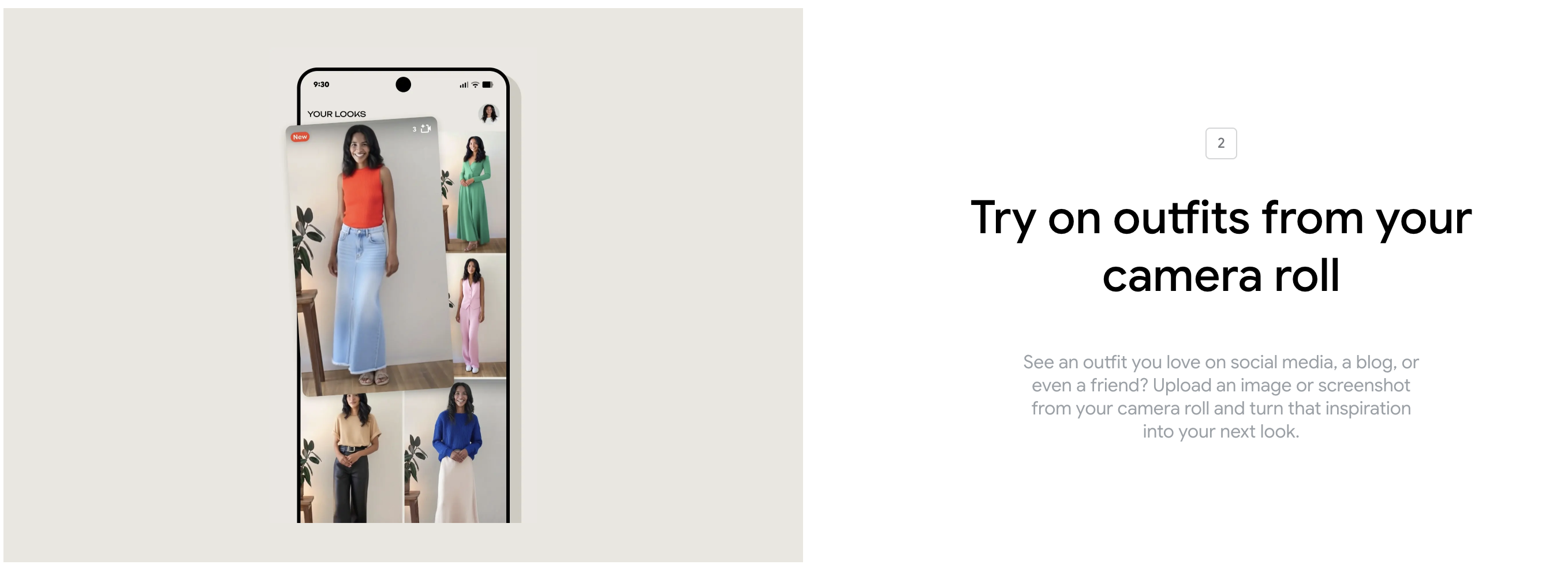 Screenshot from labs.google/doppl, September 2025
Given the adoption statistics Google has claimed around Google Lens and Circle to Search, Doppl could further change how consumers might approach online fashion and homeware buying.
Instead of browsing catalogs or searching by product type, users can explore outfits in a more playful, visual, and interactive way. This creates opportunities for fashion brands that invest in rich product imagery and metadata, while also introducing risks for those that fail to prepare.
It also highlights that outfit imagery doesn’t need to be professional; users can use Doppl to visualize outfits from their friends’ photos, branded Instagram posts, or what you include in your blogs and style guides.
For ecommerce websites, Doppl could reduce the importance of traditional product listings and increase the value of enriched product data. Style-driven discovery may also accelerate purchase decisions, compressing the sales cycle from browsing to checkout.
For example, a fashion retailer that provides detailed imagery, size data, and styling suggestions may see its outfits recommended more often when users test new looks in Doppl. A competitor with limited product data and imagery could be excluded from the experience entirely.
The takeaway for leaders here is that Doppl illustrates how AI may reshape online shopping into an interactive discovery experience. Fashion and lifestyle retailers should prioritize high-quality product data and imagery to remain competitive.
Food Mood
Food Mood is a recipe generator that combines ingredients and cooking styles to provide creative inspiration for meals.
Instead of entering exact recipes, users can describe their mood or inspiration and receive unique fusion-style ideas.
If rolled out and expanded, this could shift recipe discovery from rigid keyword searches to open-ended, experience-based prompts.
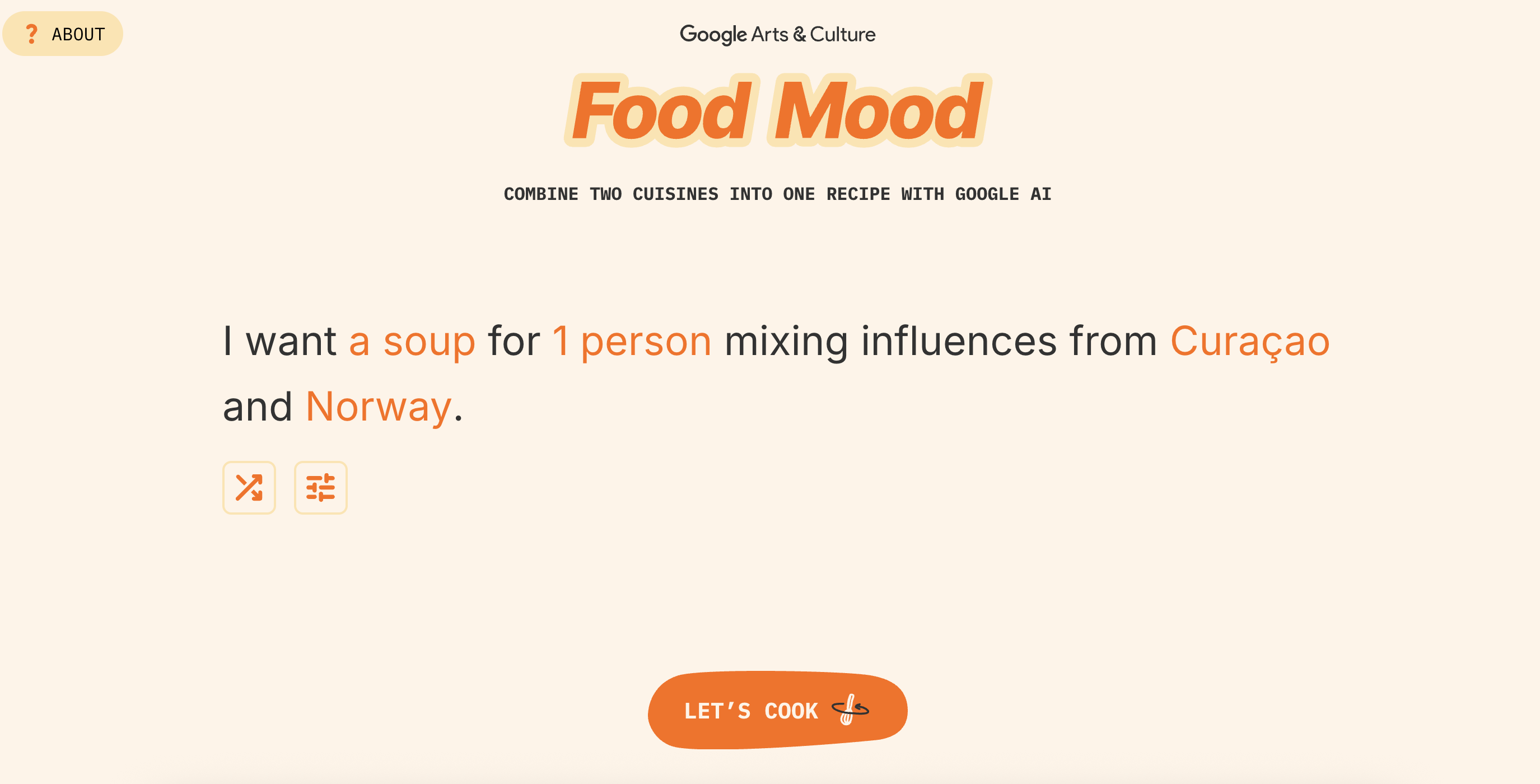 Screenshot from…
Source link
Disclaimer
We strive to uphold the highest ethical standards in all of our reporting and coverage. We blogs.grocliq.com want to be transparent with our readers about any potential conflicts of interest that may arise in our work. It’s possible that some of the investors we feature may have connections to other businesses, including competitors or companies we write about. However, we want to assure our readers that this will not have any impact on the integrity or impartiality of our reporting. We are committed to delivering accurate, unbiased news and information to our audience, and we will continue to uphold our ethics and principles in all of our work. Thank you for your trust and support.
Website Upgradation is going on for any glitch kindly connect at [email protected]