

The search landscape is changing. With the rapid evolution of AI, the Google SERP is no longer a predictable grid of 10 blue links.
This shift presents new opportunities for businesses, but it also creates new risks for your brand. Competitors, affiliates, and bad actors can now use sophisticated tactics to hijack your presence, mislead customers, and drain your budget.
Your brand’s visibility is never fully secure, and these hidden threats don’t just waste money – they suppress your growth and limit your ability to acquire new customers.
Protecting your brand isn’t a defensive chore; it’s a proactive strategy for unlocking budget and fueling your growth.
Below are three critical ROI pitfalls that could be silently draining your paid search performance, with a focus on how they are essential for navigating this new reality.
Pitfall #1: Fraudulent affiliate hijacking your ads
(Hurts whether you run brand ads or not)
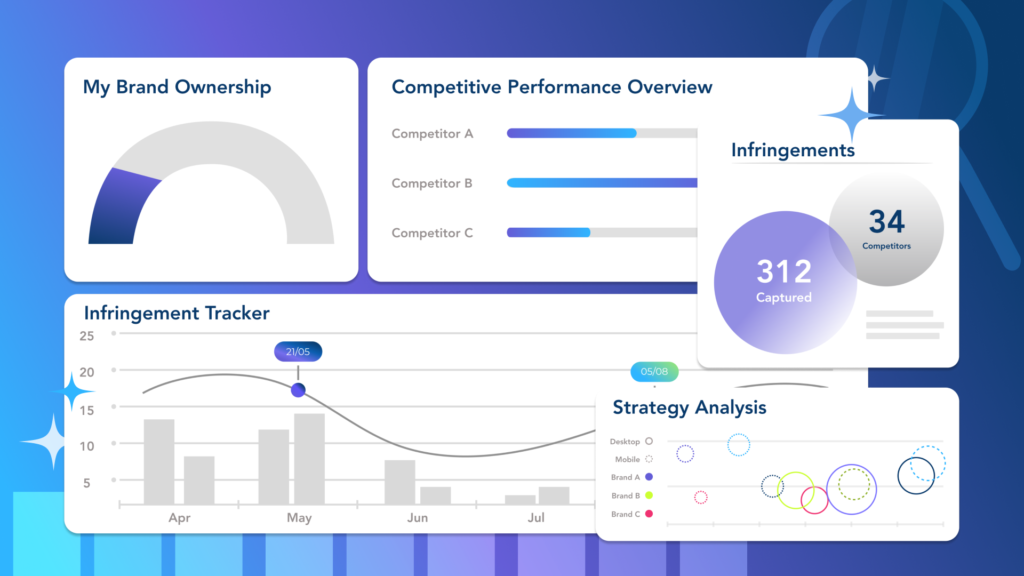
Ad hijacking is a deceptive practice in which a third party, typically a fraudulent affiliate, impersonates your brand to intercept traffic and revenue. This is a form of paid search fraud that exploits the pay-per-click (PPC) advertising model. Hijackers bid on your brand terms, creating ads that closely mimic your own.
Their primary motivation is simple: profit without effort.
By leveraging your established brand trust and using deceptive methods to evade detection, they can steal revenue by claiming commissions on sales you would have acquired anyway and inflate your CPCs by driving up competition in the ad auction for your brand terms.
How ad hijacking works
- Impersonation: Hijackers create ads that mimic your brand, using your name and identical or similar ad copy.
- Traffic interception: Their fraudulent ad appears in search results, tricking users into clicking on it.
- Deceptive redirects: The user is sent to your site via a redirect that embeds the hijacker’s affiliate ID.
- Stolen commissions: The hijacker claims a commission from your affiliate network for a sale you would have gotten anyway through PPC, essentially stealing revenue.
Why it matters
Ad hijacking has tangible financial and reputational consequences. Fraudulent affiliates can:
- Steal PPC revenue and inflate costs. Every commission paid to a hijacker is revenue that should have been yours, and the inflated CPCs directly impact your budget.
- Harm brand reputation. The hijacker controls the ad copy and landing page, and misleading messaging can damage customer trust.
- Distort performance data. Your analytics may show conversions coming from an affiliate channel when they were actually the result of a direct search for your brand.
How to tell if your brand has fallen victim to ad hijacking
- Drops in brand traffic or PPC conversions
- Unexpected spikes in affiliate payouts
- Unfamiliar ads appearing in Google’s Transparency Center
- Seeing your brand ads appear on brand…
Source link
Disclaimer
We strive to uphold the highest ethical standards in all of our reporting and coverage. We blogs.grocliq.com want to be transparent with our readers about any potential conflicts of interest that may arise in our work. It’s possible that some of the investors we feature may have connections to other businesses, including competitors or companies we write about. However, we want to assure our readers that this will not have any impact on the integrity or impartiality of our reporting. We are committed to delivering accurate, unbiased news and information to our audience, and we will continue to uphold our ethics and principles in all of our work. Thank you for your trust and support.
Website Upgradation is going on for any glitch kindly connect at [email protected]