
Search marketing is still as powerful as ever. Google recently surpassed $100 billion in ad revenue in a single quarter, with more than half coming from search. But search alone can no longer deliver the same results most businesses expect.
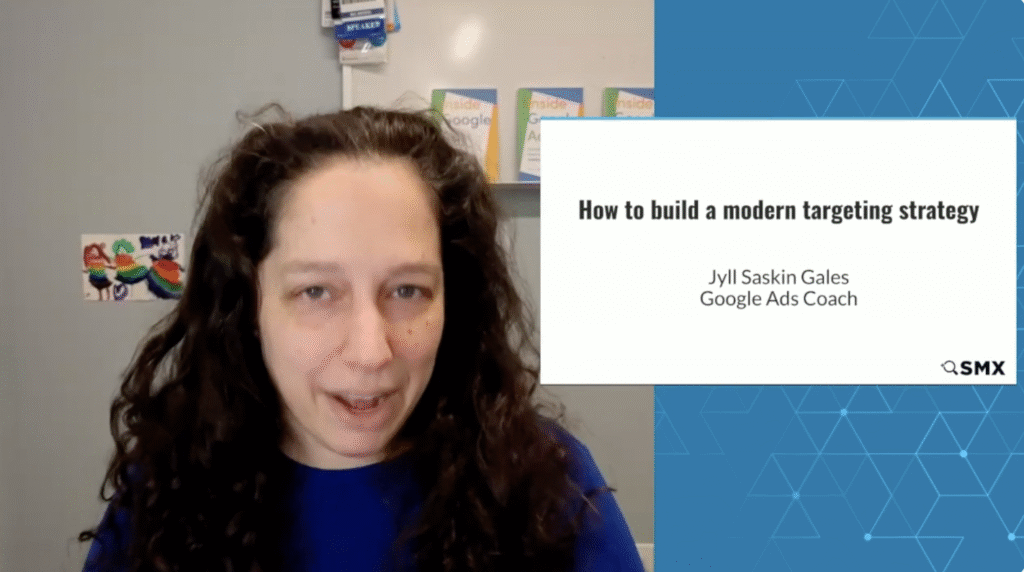
As Google Ads Coach Jyll Saskin Gales showed at SMX Next, real performance now comes from going beyond traditional search and using it to strengthen a broader PPC strategy.
The challenge with traditional Search Marketing
As search marketers, we’re great at reaching people who are actively searching for what we sell. But we often miss people who fit our ideal audience and aren’t searching yet.
The real opportunity sits at the intersection of intent and audience fit.
Take the search [vacation packages]. That query could come from a family with young kids, a honeymooning couple, or a group of retirees. The keyword is the same, but each audience needs a different message and a different offer.

Understanding targeting capabilities in Google Ads
There are two main types of targeting:
- Content targeting shows ads in specific places.
- Audience targeting shows ads to specific types of people.
For example, targeting [flights to Paris] is content targeting. Targeting people who are “in-market for trips to Paris” is audience targeting. Google builds in-market audiences by analyzing behavior across multiple signals, including searches, browsing activity, and location.

The three types of content targeting
- Keyword targeting: Reach people when they search on Google, including through dynamic ad groups and Performance Max.
- Topic targeting: Show ads alongside content related to specific topics in display and video campaigns.
- Placement targeting: Put ads on specific websites, apps, YouTube channels, or videos where your ideal customers already spend time.
The four types of audience targeting
- Google’s data: Prebuilt segments include detailed demographics (such as parents of toddlers vs. teens), affinity segments (interests like vegetarianism), in-market segments (people actively researching purchases), and life events (graduating or retiring). Any advertiser can use these across most campaign types.
- Your data: Target website visitors, app users, people who engaged with your Google content (YouTube viewers or search clickers), and customer lists through Customer Match. Note that remarketing is restricted for sensitive interest categories.
- Custom segments: Turn content targeting into audience targeting by building segments based on what people search for, their interests, and the websites or apps they use. These go by different names depending on campaign type—“custom segments” in most campaigns and “custom search terms” in video campaigns.
- Automated targeting: This includes optimized targeting (finding people similar to your converters), audience expansion in video campaigns, audience signals and search themes in…
Source link
Disclaimer
We strive to uphold the highest ethical standards in all of our reporting and coverage. We blogs.grocliq.com want to be transparent with our readers about any potential conflicts of interest that may arise in our work. It’s possible that some of the investors we feature may have connections to other businesses, including competitors or companies we write about. However, we want to assure our readers that this will not have any impact on the integrity or impartiality of our reporting. We are committed to delivering accurate, unbiased news and information to our audience, and we will continue to uphold our ethics and principles in all of our work. Thank you for your trust and support.
Website Upgradation is going on for any glitch kindly connect at [email protected]