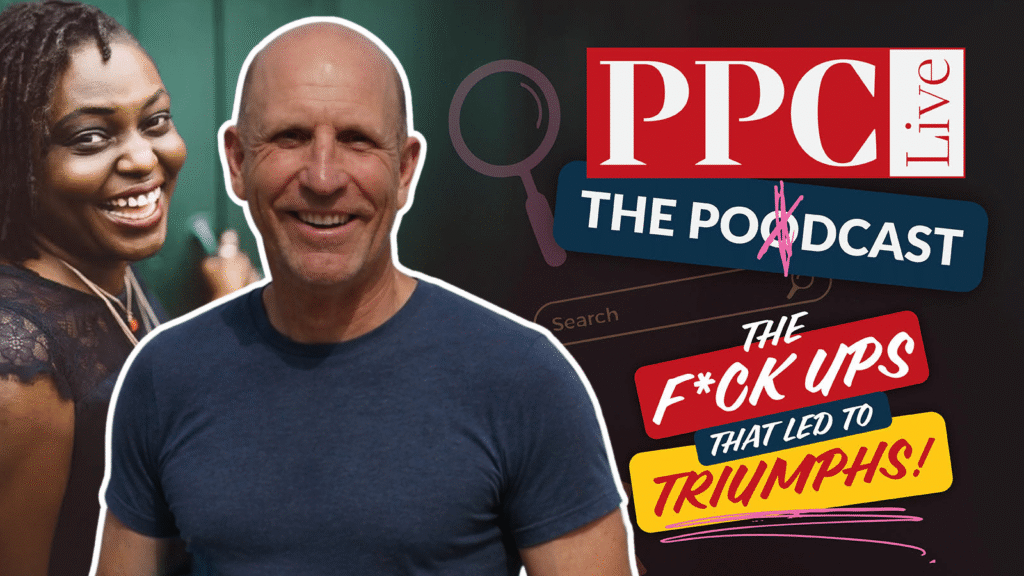

On PPC Live The Podcast, I spoke with Peter Bowen, a Google Ads specialist with nearly 20 years of experience and a strong focus on B2B lead generation.
Pete shared two major lessons from his career: always check the basics, and never assume the systems around your ads are working just because the campaigns look fine.
The currency mistake that cost 10 times the budget
Pete Bowen shared an early mistake where a South African client’s account was set up in the UK, defaulting the currency to pounds instead of rand. That simple oversight led to spending roughly 10 times the intended budget, delivering great results at first — but ultimately setting unrealistic expectations and losing the client.
Why checklists protect PPC teams
The takeaway from that mistake was to formalise learning into process. Adding something as simple as a currency check to a setup checklist ensures that once a mistake is made, it doesn’t happen again — turning painful lessons into repeatable safeguards.
The bigger problem: system decay
Beyond setup errors, Pete highlighted a more subtle but common issue he calls “system decay” — where the infrastructure connecting ads, tracking tools, CRMs and sales processes gradually breaks down without anyone noticing.
Why conversion data failures hurt performance
When conversion data stops flowing properly, Google’s algorithms lose the feedback they rely on to optimise. This can lead to reduced spend, poor performance or campaigns that suddenly stop delivering — even if nothing appears wrong inside the platform.
PPC managers need to look beyond the interface
One of the biggest mistakes advertisers make is focusing only on what happens inside Google Ads. Strong performance depends on the entire journey, from click to conversion to revenue, and any break in that chain can undermine results.
What to do when conversion tracking breaks
When tracking fails, the priority is to fix the root issue quickly and, where possible, use data exclusions to prevent bad data from influencing optimisation. Longer term, building monitoring systems that flag issues early is essential to avoid repeat problems.
The danger of optimising for clicks
Pete also pointed to a common but damaging mistake: optimising campaigns for clicks rather than outcomes. Without proper conversion tracking, advertisers can end up driving large volumes of traffic that never turn into leads or sales.
Why Performance Max needs strong tracking
Automation like Performance Max can amplify this issue, as it will follow whatever signals it receives. Without accurate conversion data, it can scale irrelevant traffic quickly, making strong tracking a prerequisite before leaning into automation.
Why bid strategies need guardrails
Google’s bidding systems are powerful but literal — they optimise toward whatever you define as success. That means advertisers need clear goals, reliable data and…
Source link
Disclaimer
We strive to uphold the highest ethical standards in all of our reporting and coverage. We blogs.grocliq.com want to be transparent with our readers about any potential conflicts of interest that may arise in our work. It’s possible that some of the investors we feature may have connections to other businesses, including competitors or companies we write about. However, we want to assure our readers that this will not have any impact on the integrity or impartiality of our reporting. We are committed to delivering accurate, unbiased news and information to our audience, and we will continue to uphold our ethics and principles in all of our work. Thank you for your trust and support.
Website Upgradation is going on for any glitch kindly connect at [email protected]