
Google’s VP and Head of Search, Liz Reid, stated that personalized search and preferred sources can assist small publishers in gaining visibility, countering concerns that personalization makes them less accessible.
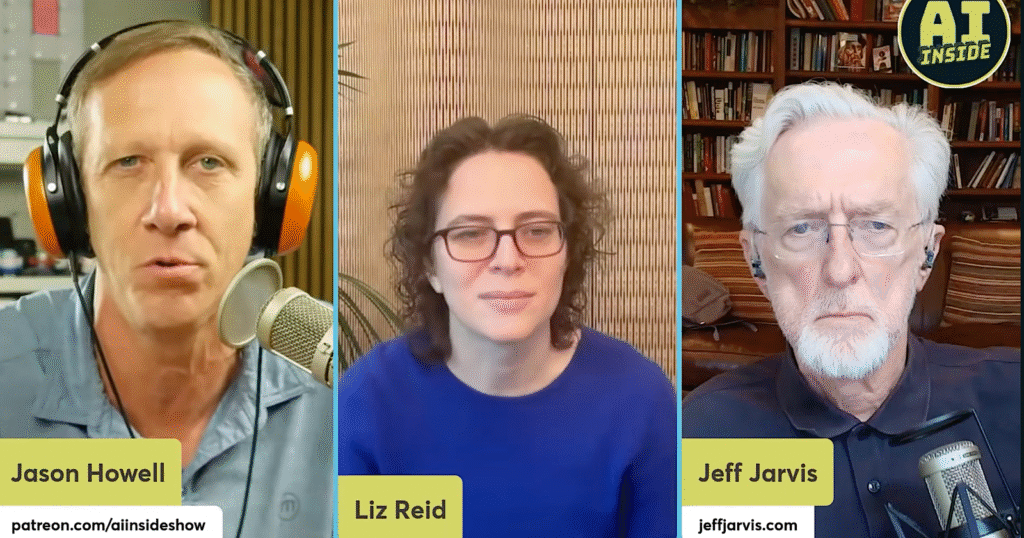
Reid shared her perspective on the AI Inside podcast, during the same interview where she told publishers that the key to AI visibility lies in creating content that resonates with people. When the hosts expressed concerns that personalization might cause some publishers to become “more invisible,” she took the opposite position.
Personalization As A Discovery Path
Reid suggests that generic, one-size-fits-all search results tend to make everyone see the same results. She mentioned that when there are more detailed signals about what a user is looking for, it opens up opportunities for niche publishers to be seen.
Reid said:
“If the only thing you enter is a few keywords and it’s unpersonalized, then everything kind of looks the same.”
She gave an example of someone searching for ‘eco-friendly’ brands who never specifically uses that term. In that situation, personalization could surface small merchants or specialist reviewers that match the user’s preferences.
Reid added that personalization favors creators and journalists who focus on specific subjects and are hard to match to queries. She described it as “pushes more into the tail.”
Preferred Sources & The Subscription Question
In arguing that personalization is good for websites, Reid mentioned preferred sources, a Search feature that lets people tell Google which publishers they prefer.
When someone loves a particular website and lists it as a preferred source, she said, that signal can help the publisher’s content show up more prominently than the same information elsewhere
She added:
“If you have the same information as somebody else, yours should show up stronger.”
Reid wasn’t as positive about paywalls. Surfacing gated content does little, she said, when most people can’t read it, and publishers who add a paywall and then watch traffic fall are seeing the predictable result.
“Yes, that is what will happen if you charge,” she said. Her proposed solution is for Google to route subscribers to the publishers they already pay for.
The Claim Comes Without Data
Reid didn’t provide any data in the interview to show that personalization is helping small publishers or that preferred-source status makes their content more visible. Her argument is similar to her recurring “bounce clicks” explanation for AI-related traffic loss.
An iPullRank experiment on Google’s Personal Intelligence feature found that personal signals increased how often seeded brands appeared in AI Mode. It showed personalization adds to web grounding rather than replacing it. Though the test was three accounts over 17 days, and it was opted-in accounts only.
Why This Matters
Reid’s position is that preferred sources can help small sites. However, it’s still a claim,…
Source link
Disclaimer
We strive to uphold the highest ethical standards in all of our reporting and coverage. We blogs.grocliq.com want to be transparent with our readers about any potential conflicts of interest that may arise in our work. It’s possible that some of the investors we feature may have connections to other businesses, including competitors or companies we write about. However, we want to assure our readers that this will not have any impact on the integrity or impartiality of our reporting. We are committed to delivering accurate, unbiased news and information to our audience, and we will continue to uphold our ethics and principles in all of our work. Thank you for your trust and support.
Website Upgradation is going on for any glitch kindly connect at [email protected]