

Let’s reminisce for a moment. Do you remember how, back in 2020, we all obsessed over “link juice” and PageRank flow as far as internal links are concerned?
In 2025, what matters more is how your internal links define the entities and relationships on your site.
Internal linking is no longer just about distributing authority. It’s about:
- Building your own semantic map that Google can trust.
- Reinforcing your topical authority.
- Earning a place in an AI-search-forward landscape.
The last full guide I wrote on internal linking strategies was in 2020, and – well – much has happened since then (to say the least).
And most internal linking guides treat links as simple “traffic routers,” ignoring their role in building entity context.
So today, yes, I’m revisiting some of the basic building blocks of SEO, but we’re going to expand how we think about internal linking.
If you’re already deep into entity-first SEO and apply it to your internal linking tactics, skip ahead to the action items to ensure you’re implementing it well.
For everyone else, I’ll explain why tightening up your internal linking structure isn’t just table stakes. It’s one of the simplest core levers to influence organic visibility.
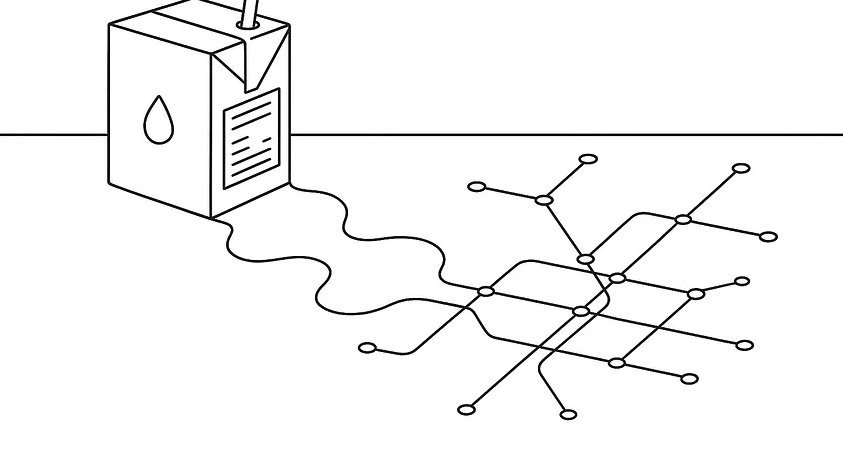 Image Credit: Kevin Indig
Boost your skills with Growth Memo’s weekly expert insights. Subscribe for free!
Internal linking is the age-old SEO practice of connecting one page on your site to another page, all on the same domain.
These links act like the roads or highways that guide users through your content. But they also help search engines understand how your pages relate.
In the past, we thought about internal links as “pipes” for PageRank.
Add enough links from your homepage or other strong, well-ranking pages, and you’d push authority toward the URLs you wanted to rank.
That view isn’t wrong; it’s just incomplete.
Today, internal links aren’t just distributing authority. They’re defining the semantic structure of your site.
Internal linking isn’t simply a practice that routes people (and bots/crawlers) to the pages you want them to go to.
In fact, when we think about internal linking this way is exactly when we start to half-ass the practice or let it sit on the back burner.
The words you use in anchor text and the way you connect hubs of related content all signal to search engines: These are the entities your brand wants to be known for.
Strategic internal linking can do three critical things for your site:
- Reinforce entity authority. You’re signaling to Google, and everyone else, which concepts you want associated with your brand.
- Improve index stability. Pages that are well-linked internally are more likely to be crawled often – and that means they stay indexed and are likely to show up in AI-generated results. (This is especially for Bing optimization, which seems to struggle more with indexing than Google. Bing is often forgotten when it comes to AEO/GEO because everyone assumes…
Source link
Disclaimer
We strive to uphold the highest ethical standards in all of our reporting and coverage. We blogs.grocliq.com want to be transparent with our readers about any potential conflicts of interest that may arise in our work. It’s possible that some of the investors we feature may have connections to other businesses, including competitors or companies we write about. However, we want to assure our readers that this will not have any impact on the integrity or impartiality of our reporting. We are committed to delivering accurate, unbiased news and information to our audience, and we will continue to uphold our ethics and principles in all of our work. Thank you for your trust and support.
Website Upgradation is going on for any glitch kindly connect at [email protected]