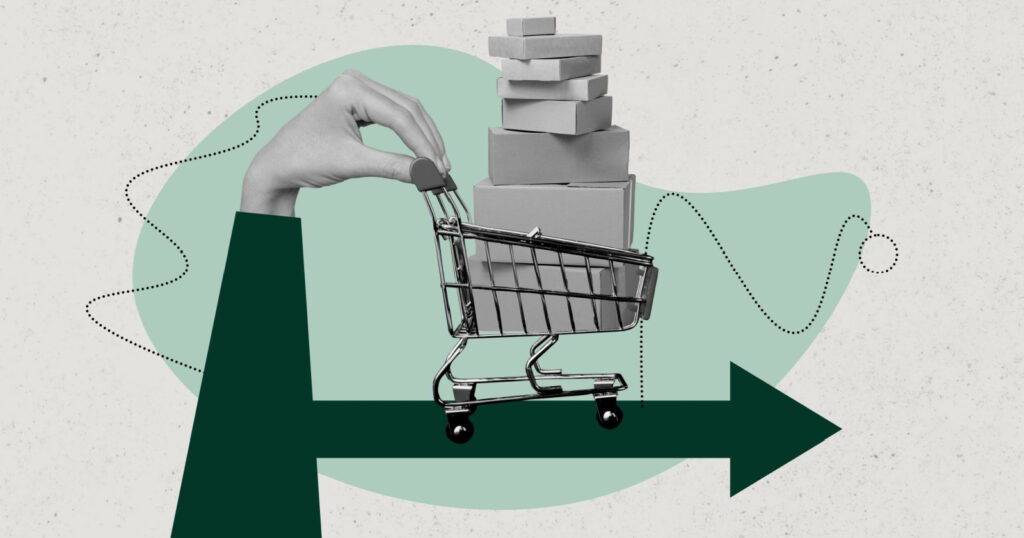

Ecommerce demand doesn’t rise and fall in a straight line throughout the years.
It can build gradually, spike hard, stall, or drop with little-to-no warning. During peak shopping periods like Black Friday, Cyber Monday, Prime Day(s), Back-to-School, these swings become even more intense.
For PPC marketers, that volatility affects far more than just traffic or CPCs. It influences bidding strategies, budgets, inventory planning, campaign structures, and even internal operations.
Managing demand fluctuation isn’t just about “spending more when demand is high.” It’s also about knowing when demand is coming, preparing your accounts before the surge, staying in control while competition rises, and stabilizing performance after the peak ends.
It means understanding that marketing decisions affect logistics and profitability, not just vanity metrics like impression share.
This article will walk you through how to manage demand in a way that improves performance and protects the business across each phase of the season.
1. Understand And Anticipate Seasonal Demand
Predictable seasonal spikes are only predictable if you know what to look for.
Demand rarely appears out of nowhere. It ramps up gradually. The marketers who recognize early changes in behavior are the ones who scale at the right time instead of reacting too late.
Start with historical data from your own account. Look at when impressions and clicks began to rise last year, not just when the holiday officially started.
Compare year-over-year and week-over-week trends to identify whether demand is starting earlier. In many industries, consumers begin researching long before they’re ready to buy, which means waiting until “the big day” is too late to build momentum.
Conversion lag is another signal. If your data shows it normally takes five days from first click to purchase, and your promo begins on Friday, you need to start increasing budget earlier in the week. Otherwise, you’ll miss buyers who started the journey before the event.
Don’t ignore external factors. Shipping cutoff dates, competitor promotions, weather trends, and even economic sentiment can accelerate or delay demand. The data in the platform only shows part of the picture, while market behavior provides the context.
Forecasting is also critical. Even a simple model based on past revenue, impression share, and growth targets can help you determine expected demand and budget requirements.
This helps create a baseline so you can recognize when performance is ahead or behind expectations and adjust accordingly.
2. Align Bids And Budgets With Demand
Once demand starts building, your bidding and budgeting strategy must evolve with it. This is where many marketers either scale too slowly and miss opportunity. On the opposite side, you scale too aggressively and burn through budget prematurely.
If you’re using Smart Bidding, seasonality adjustments in Google Ads or Microsoft Ads can help the algorithm prepare for…
Source link
Disclaimer
We strive to uphold the highest ethical standards in all of our reporting and coverage. We blogs.grocliq.com want to be transparent with our readers about any potential conflicts of interest that may arise in our work. It’s possible that some of the investors we feature may have connections to other businesses, including competitors or companies we write about. However, we want to assure our readers that this will not have any impact on the integrity or impartiality of our reporting. We are committed to delivering accurate, unbiased news and information to our audience, and we will continue to uphold our ethics and principles in all of our work. Thank you for your trust and support.
Website Upgradation is going on for any glitch kindly connect at [email protected]