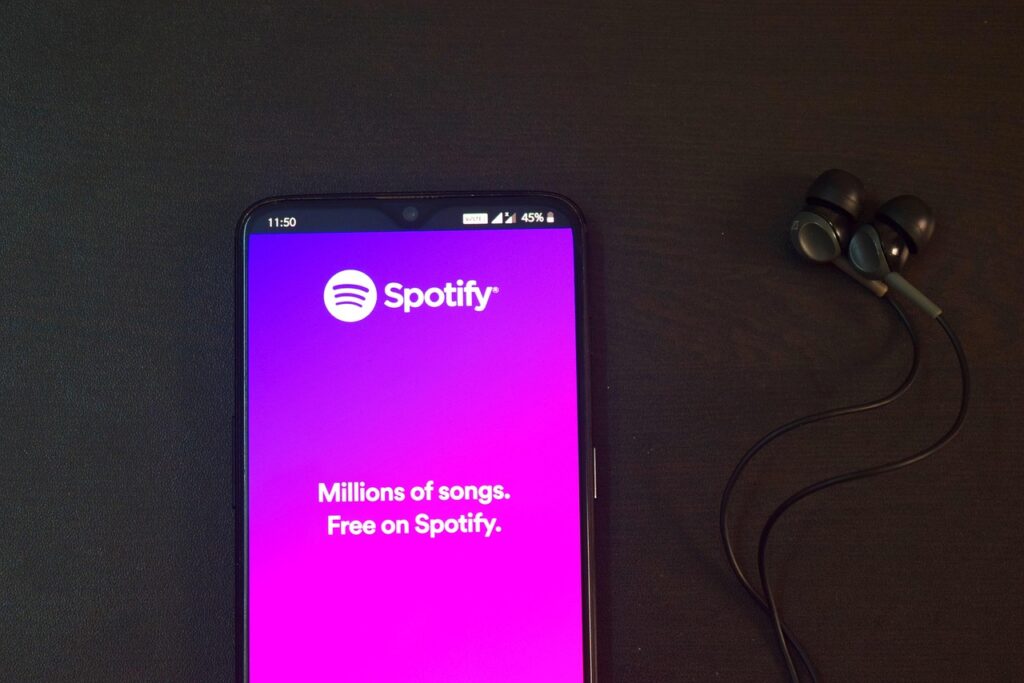

On July 15, Spotify announced that families in the United States, the United Kingdom, Australia, France, Germany, and the Netherlands can now access managed accounts for listeners aged 13 and under on its free, ad-supported tier. Previously, these child-specific accounts were only available with the paid Premium Family plan.
What’s changing? Families on any Spotify plan, free or Premium, in these six markets can now create a separate managed account for a child. This feature provides children with their own login while parents or guardians maintain control over settings and content.
With this update, managed accounts are now available in 16 countries: Argentina, Australia, Brazil, Colombia, Denmark, France, Germany, Italy, Mexico, the Netherlands, New Zealand, Portugal, Spain, Sweden, the U.K., and the U.S. Spotify plans to expand to additional countries but has not provided a timeline.
This rollout follows an earlier expansion in May 2026, which introduced managed accounts to the free tier, and builds on a pilot launched in September 2024 for Premium Family subscribers.
How do the accounts work? A managed account is a separate profile that a parent or guardian creates and manages from their Spotify account. Children can access Spotify’s catalog, receive personalized recommendations such as Made for You mixes and the day list feature, and create their own playlists.
According to the company, users on managed accounts with the free tier will see standard Spotify advertising, including messages about app features. Each managed account generates its own year-end Wrapped summary, keeping a child’s listening history separate from the parent’s.
Default restrictions and parental controls: Every managed account is private by default. It cannot be searched for or discovered by other users. Children with managed accounts cannot make purchases and are blocked from using Spotify’s Messages feature.
Explicit-content filtering is enabled by default for every new managed account, blocking any track flagged as explicit by rights holders. Video and Canvas, the looping visual clips that accompany some songs, are also disabled by default.
Parents can adjust these settings at any time through a Parental Controls page, including blocking specific tracks or artists.
Context: This expansion aligns with a broader trend among major tech platforms to enhance parental controls for younger users, partly in response to regulatory scrutiny of children’s online interactions.
Most major platforms have introduced features similar to Spotify’s recent update. Meta, for example, launched Instagram Teen Accounts with private by default settings. Parents can see who their teen has messaged, though not the content, and privacy settings are set to the highest level by default for users under 18. Teens under 16 need parental approval to change these settings. TikTok’s Family Pairing links parent and teen accounts, making accounts…
Source link
Disclaimer
We strive to uphold the highest ethical standards in all of our reporting and coverage. We blogs.grocliq.com want to be transparent with our readers about any potential conflicts of interest that may arise in our work. It’s possible that some of the investors we feature may have connections to other businesses, including competitors or companies we write about. However, we want to assure our readers that this will not have any impact on the integrity or impartiality of our reporting. We are committed to delivering accurate, unbiased news and information to our audience, and we will continue to uphold our ethics and principles in all of our work. Thank you for your trust and support.
Website Upgradation is going on for any glitch kindly connect at [email protected]